Important Cultural Property
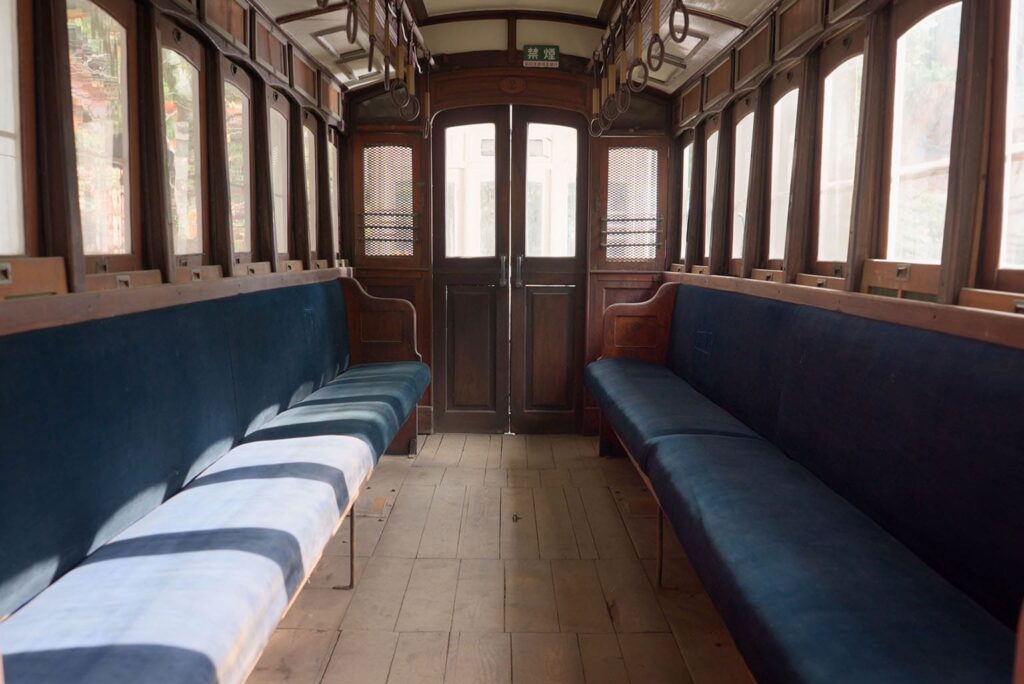
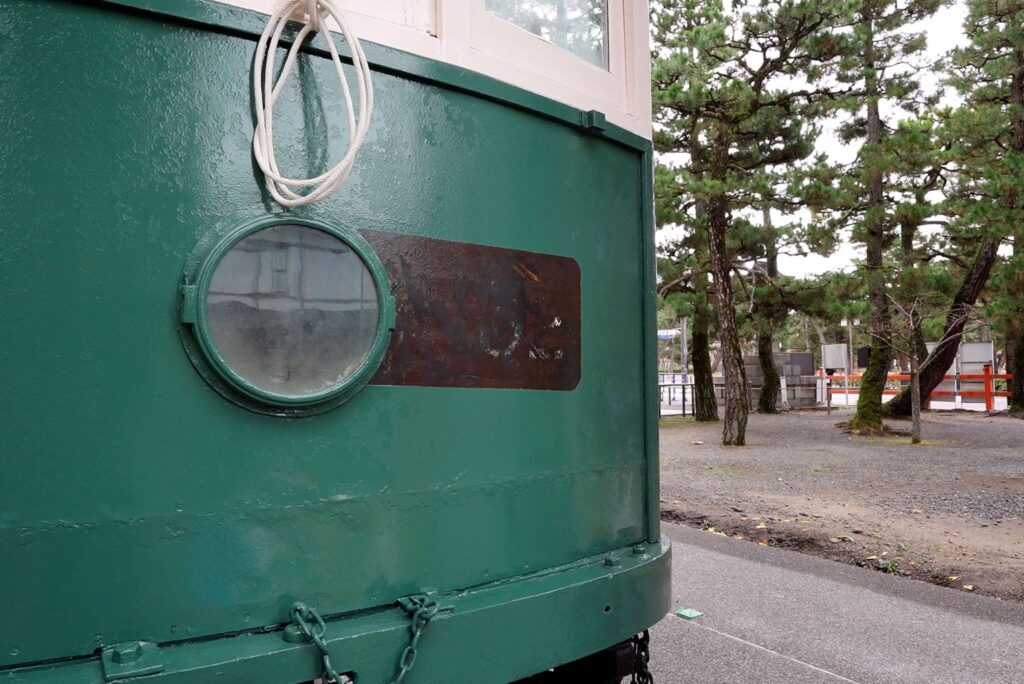
Kyoto Electric Railway Tram (Kyoto Municipal Transportation Bureau No. 2 Tramcar)
Meiji period
1 car
This article can be read in about 2 minutes.
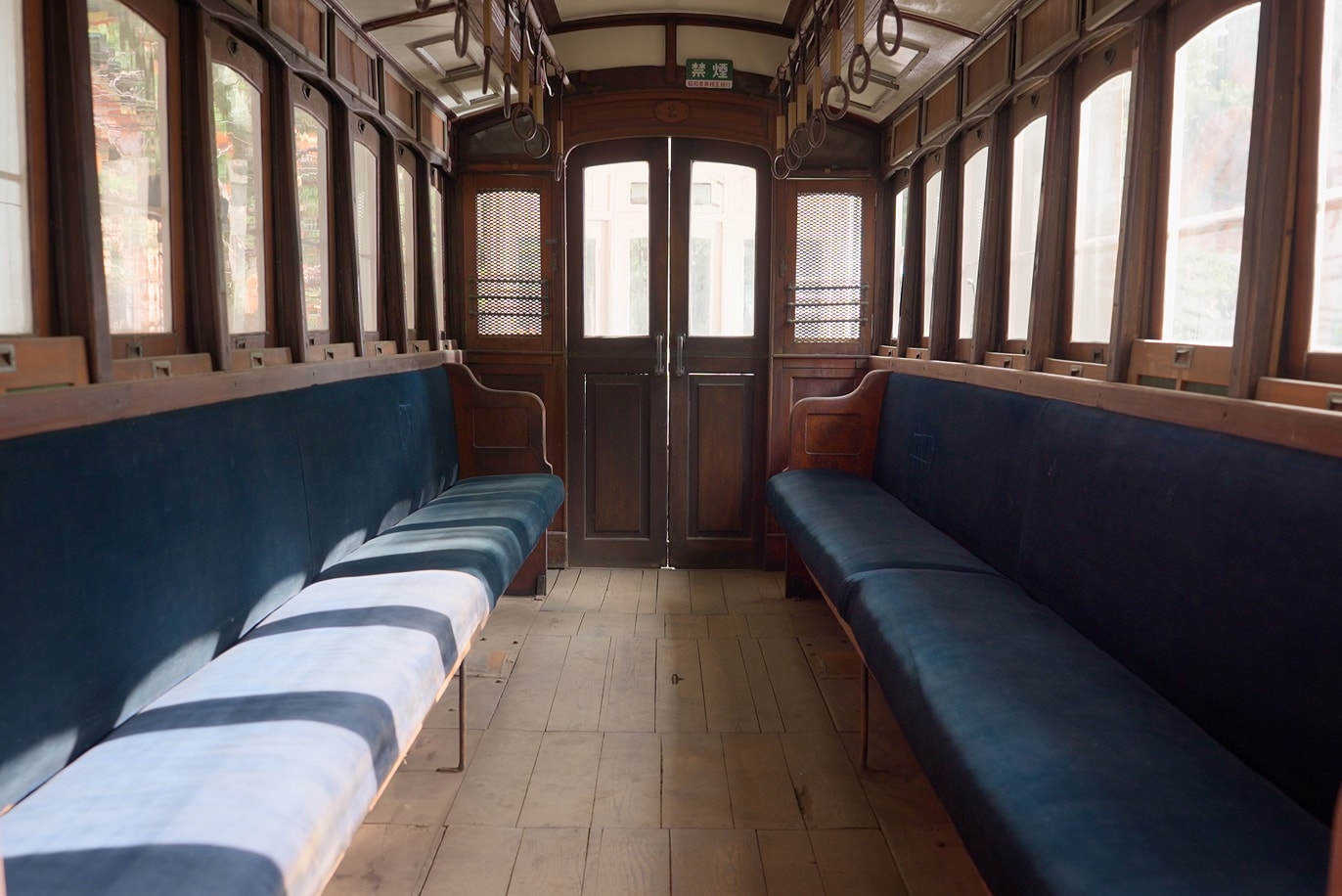
The quiet birthplace
of modern Japanese trains
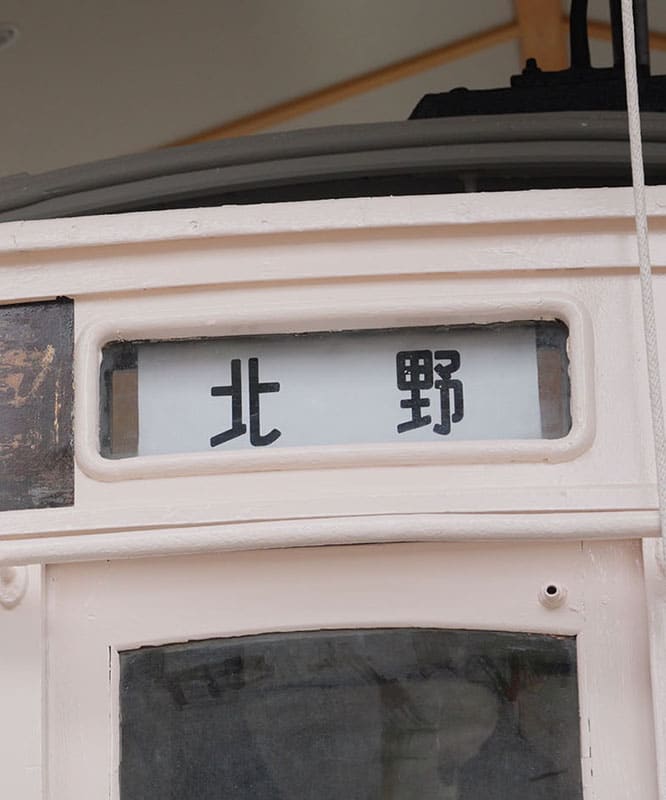
This is one of Japan’s earliest electric trams. It operated in Kyoto and was powered by hydroelectricity. Trams were introduced in Kyoto in 1895, the same year Heian Jingu was built. This tram was one of the original streetcars that operated between Kyoto Station and the Heian Jingu area.
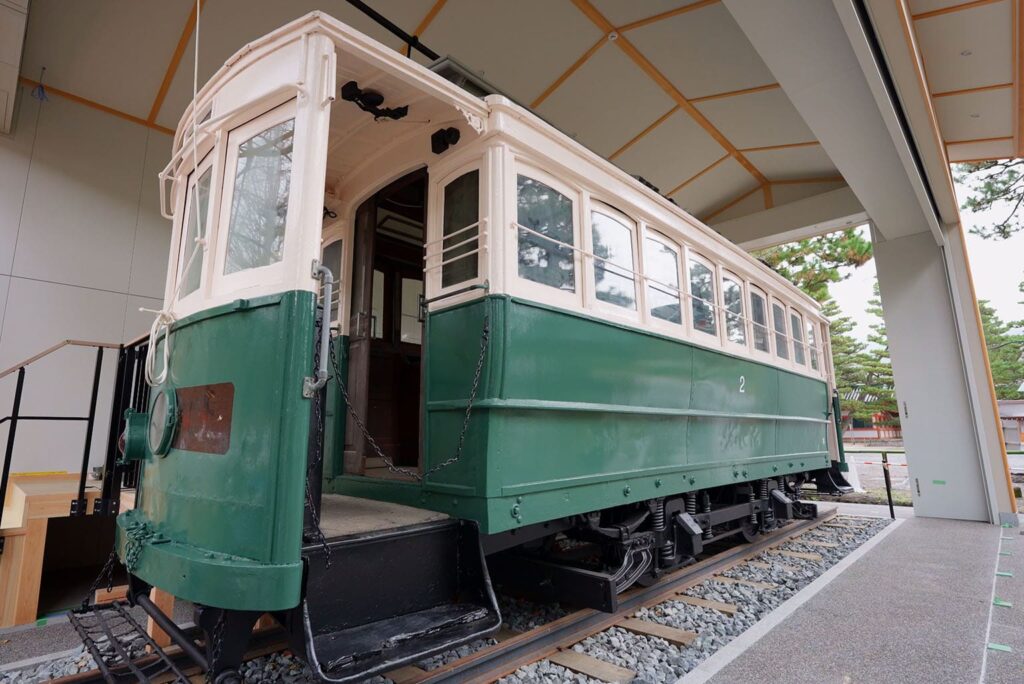
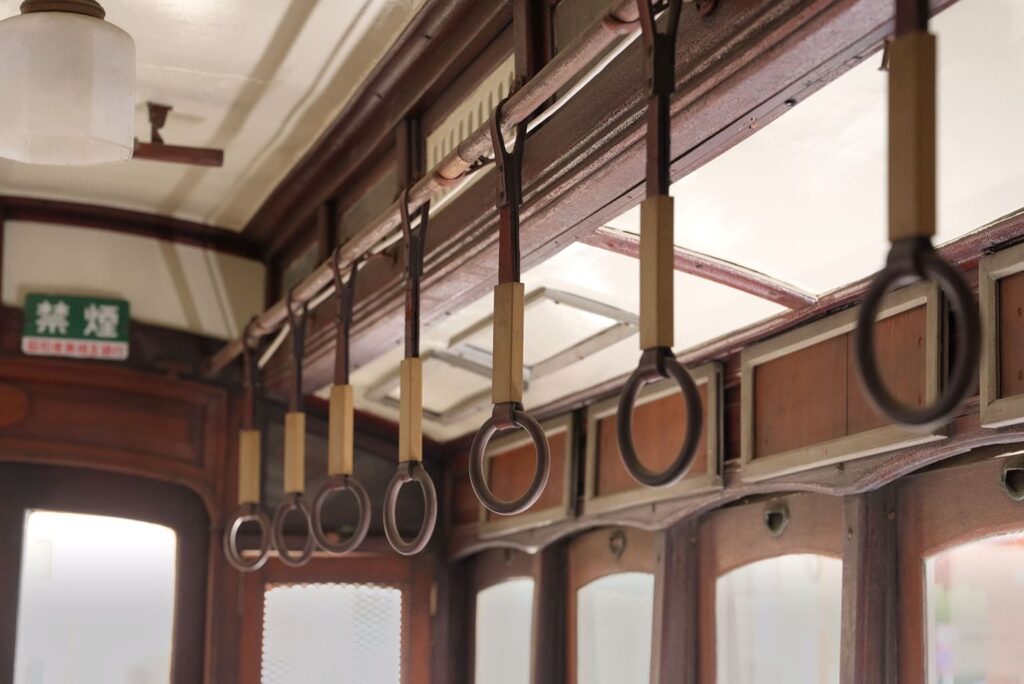
The installation of the tramline and the foundation of Heian Jingu were planned to coincide with the Fourth National Industrial Exhibition, a large exposition hosted in Kyoto (near Heian Jingu). These projects were part of a larger revitalization project and were timed to mark the 1,100th anniversary of the founding of the ancient Heiankyo capital. The projects were launched to celebrate Kyoto’s heritage and combat the economic difficulties and fall in population that the city experienced after the seat of the emperor was transferred to Tokyo in 1868 at the beginning of the Meiji era (1868–1912).
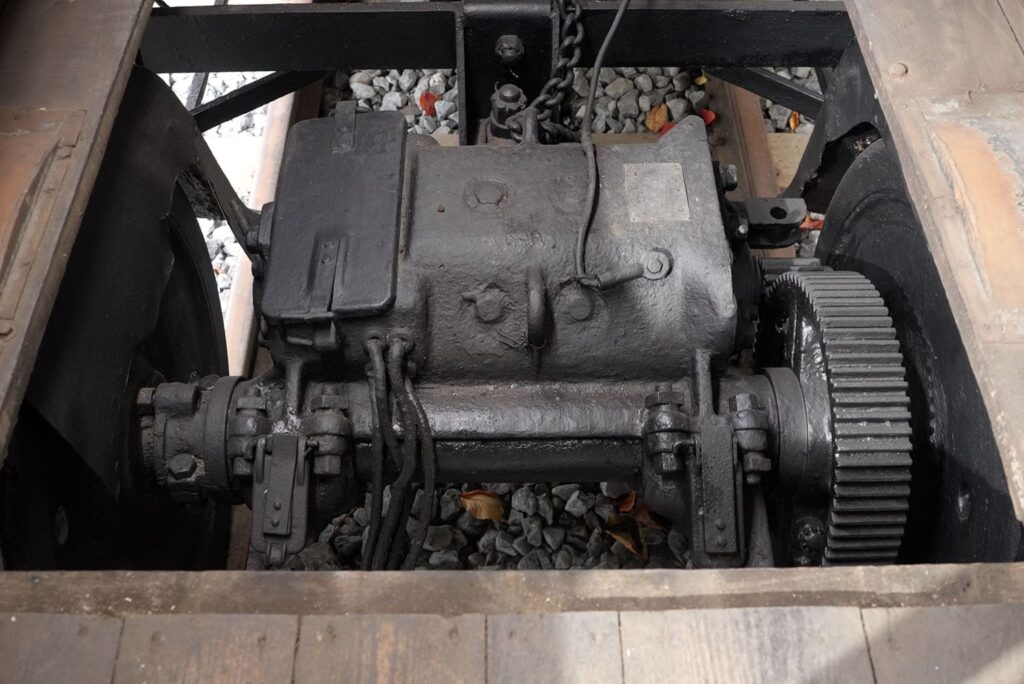
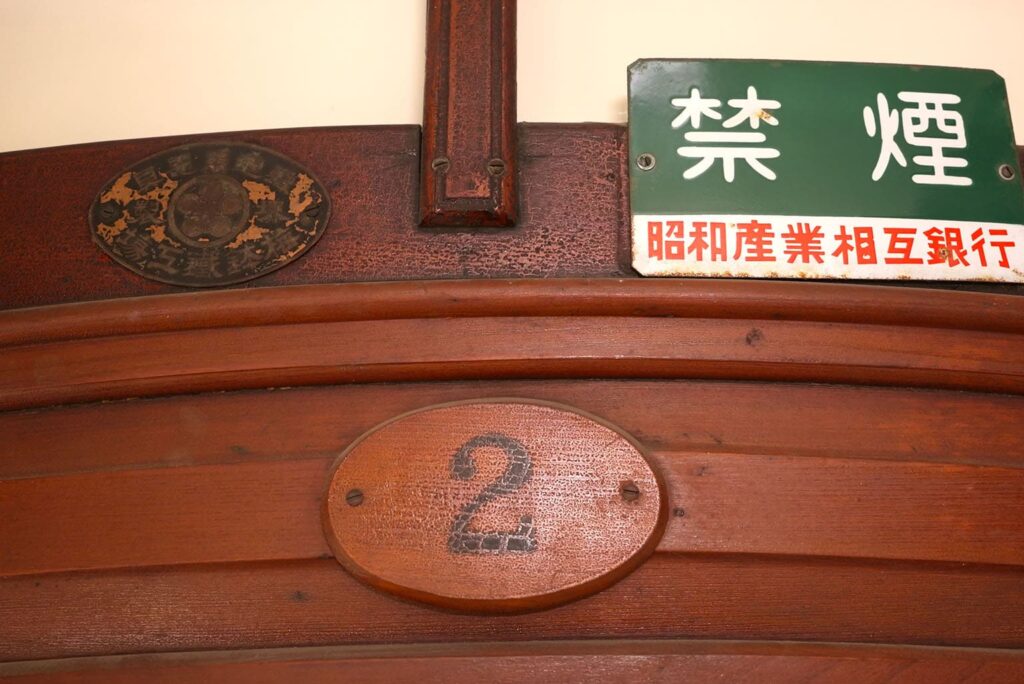
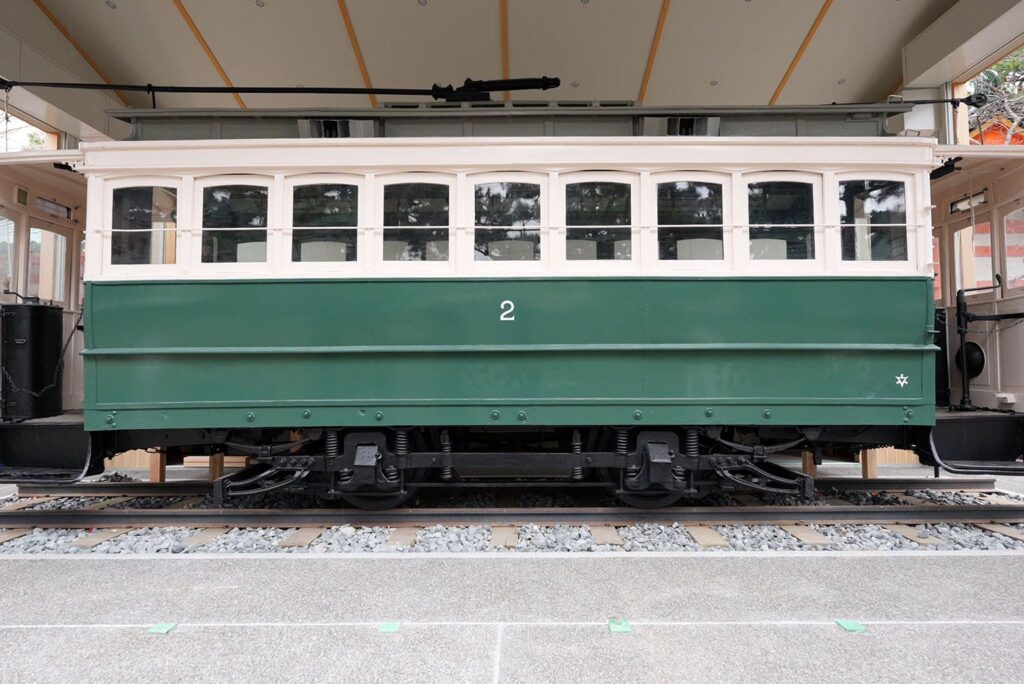
Trams served Kyoto until 1961. This tram was donated to the shrine after it was taken out of service and serves as a symbol of the revitalization efforts of the late nineteenth century.
Meiji period
This era began when the shogunate fell and power was restored to the emperor. It refers to the 45-year period stretching from the Meiji Restoration in 1868 to the death of Emperor Meiji in 1912.
Lake Biwa Canal
An artificial waterway extending from Lake Biwa to Kyoto, collectively used to refer to a First Canal, completed in 1890, and a Second Canal, completed in 1912. Beyond serving as a transportation route, it also facilitated hydroelectric power generation and the development of water supply and sewerage systems, significantly advancing Kyoto’s urban functionality.
Kyoto Electric Railway
This was one of Japan’s first public electric railways, which started operations starting in Kyoto in 1895. It was a pioneering rail system that used hydroelectricity produced from the waters of Lake Biwa and it played a significant role in the history of urban transportation in Japan. Kyoto bought the railway in 1918 and integrated it into the larger city railway network.
MOVIE
Experience the video to get one step closer.
This video, accompanied by narration, introduces the charms of Kyoto Electric Railway Tram (Kyoto Municipal Transportation Bureau No. 2 Tramcar)
. Experience its charms even more deeply through the video.
Duration: (audio included)
Share on Social Media


Please respond to our questionnaire.
Estimated length: 30 seconds