South Garden (Minami Shin’en)
Meiji period
This article can be read in about 2 minutes.
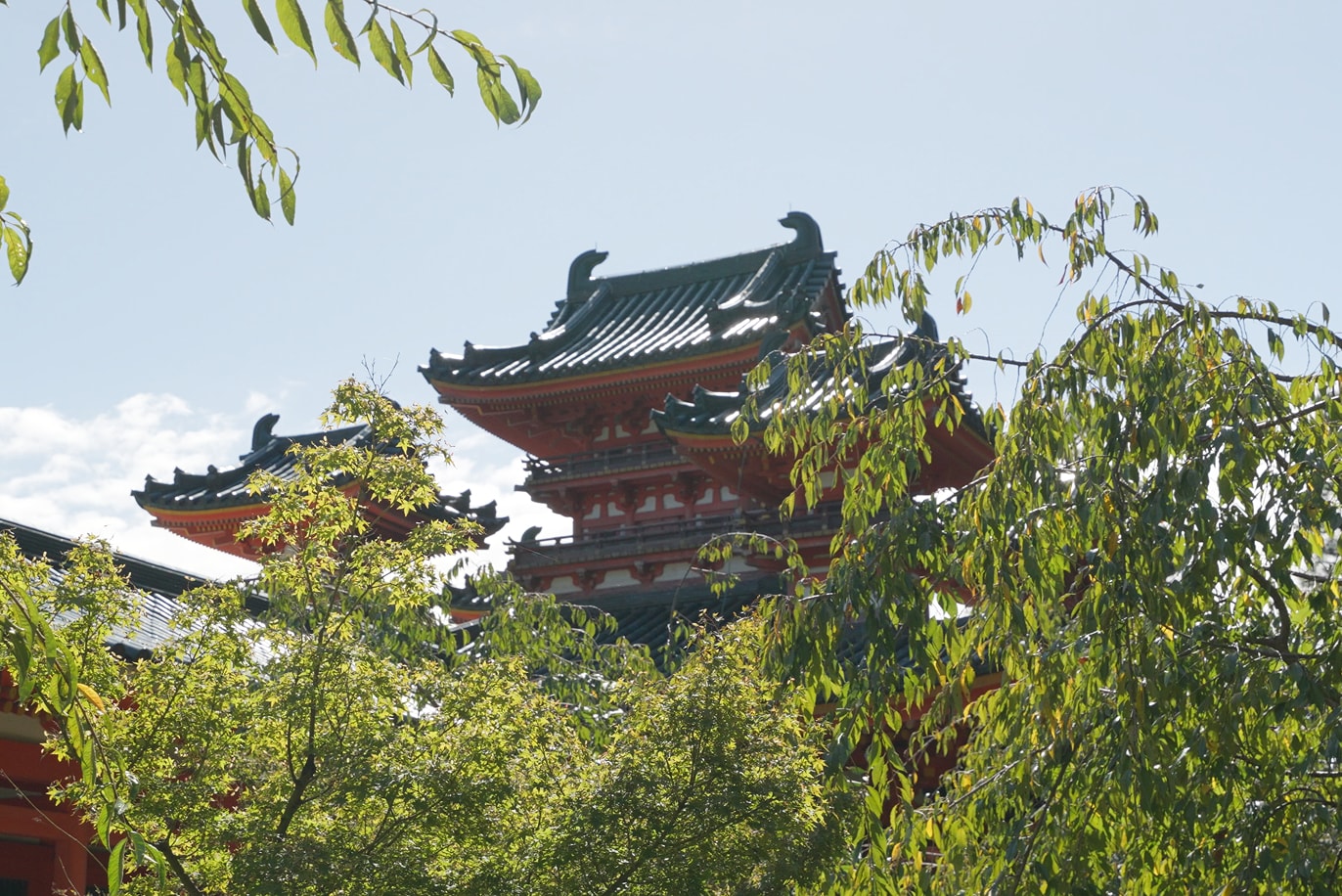
Garden of courtly culture
reflecting the elegance of bygone years
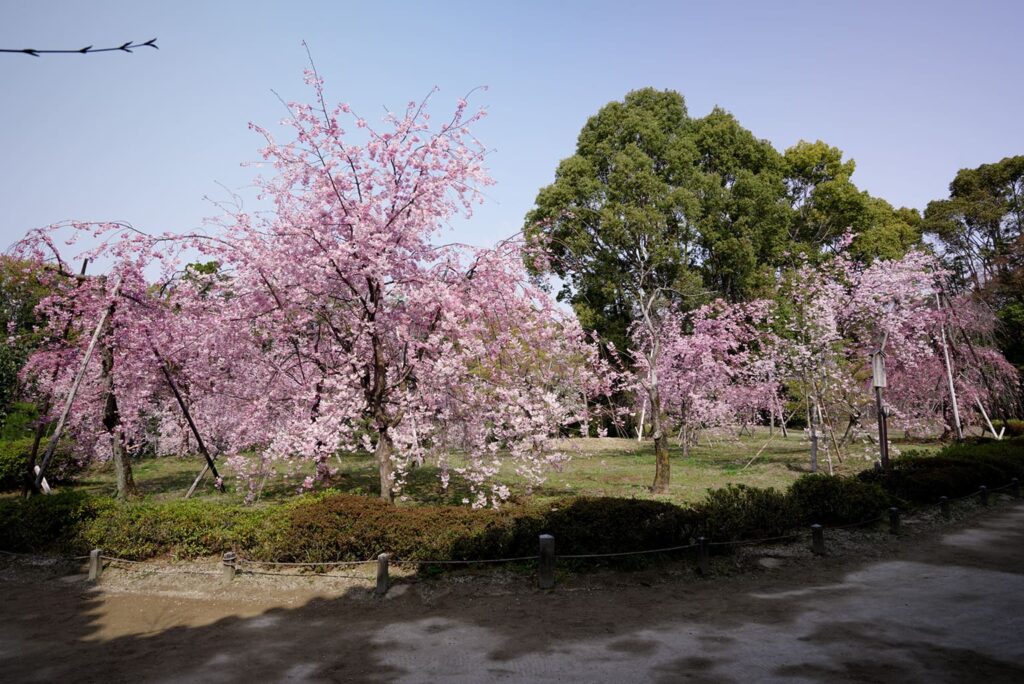
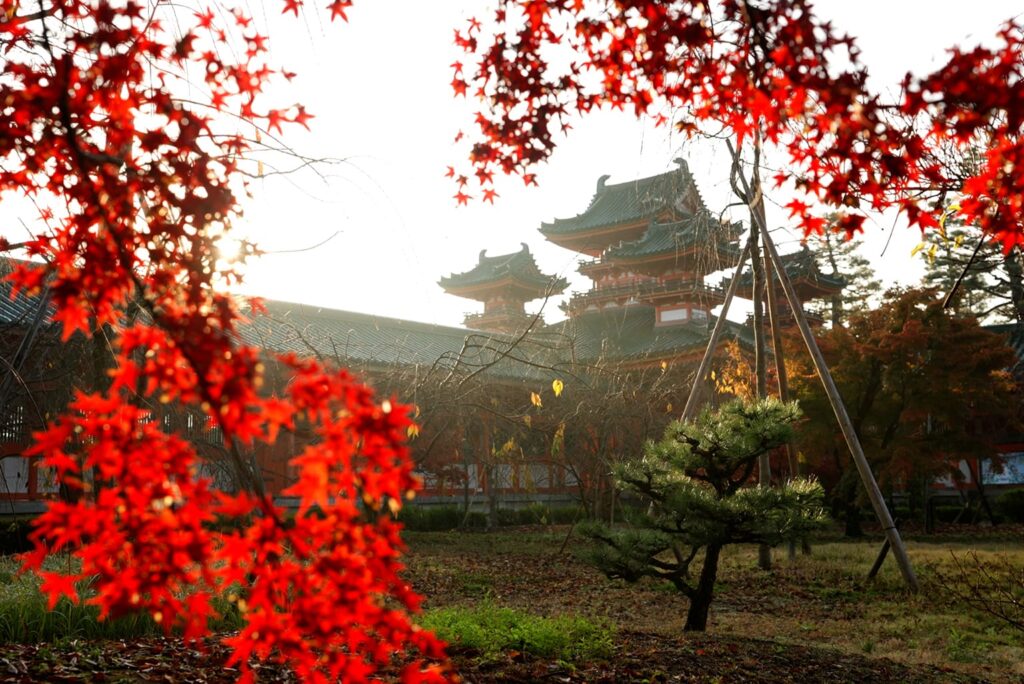
The South Garden, or Minami Shin’en, is a classic stroll garden designed in the style of the Heian period (794–1185). The stroll begins with a copse of cherry trees. The double-petaled weeping cherry called yaebeni shidare flowers here in mid-April. The clusters of blooms are of a much deeper shade of pink than the somei yoshino cherry species, which is the most popular cherry tree in Japan.
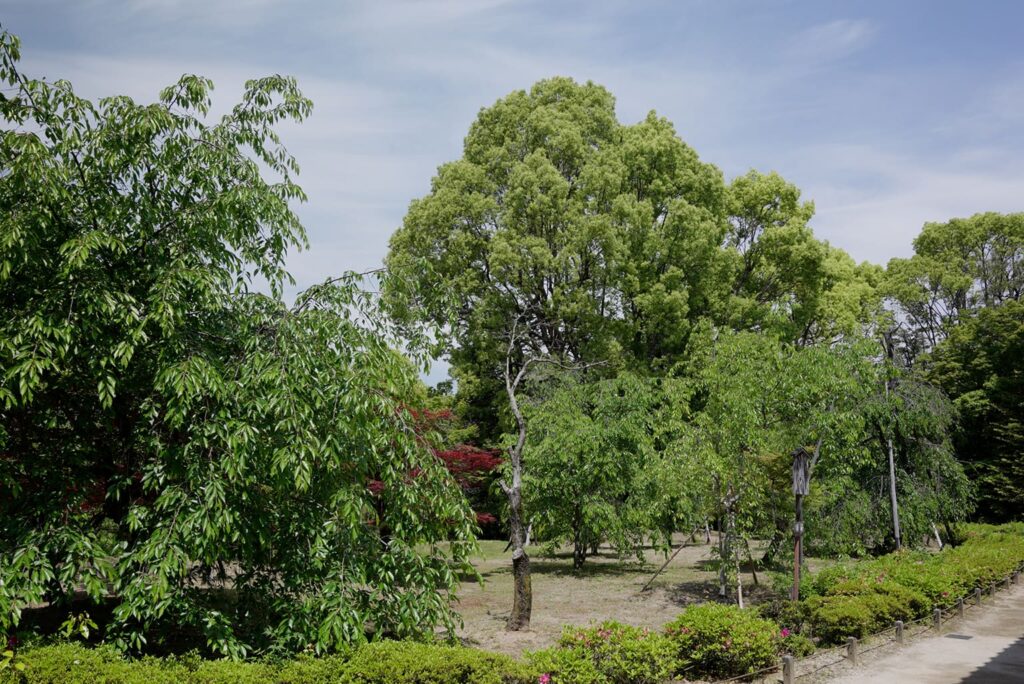
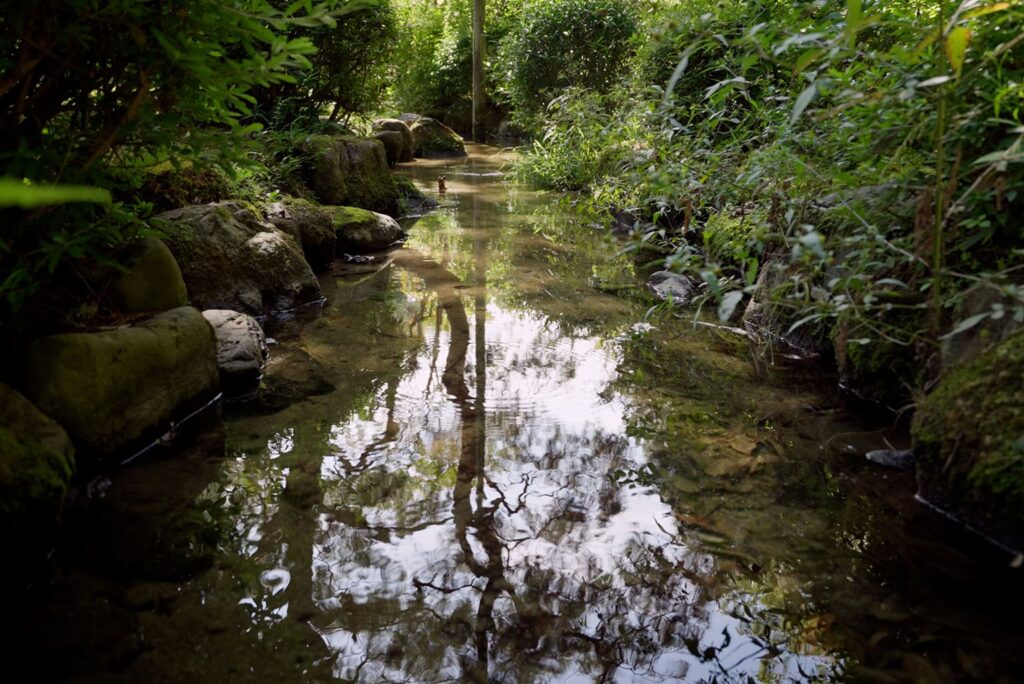
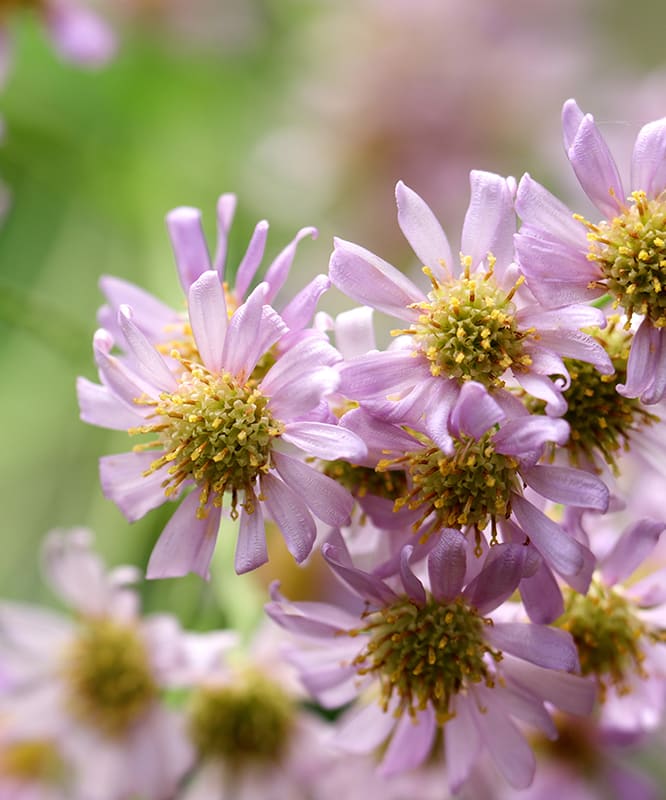
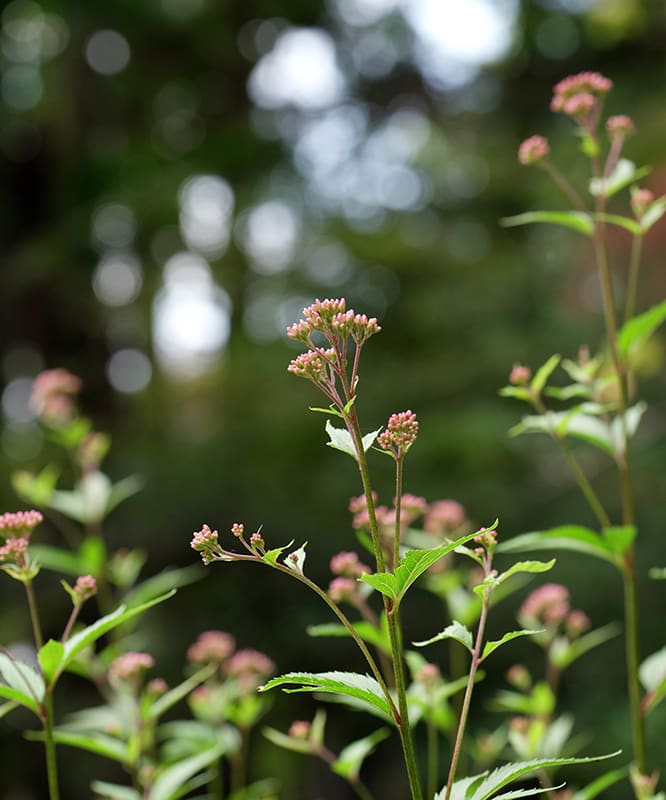
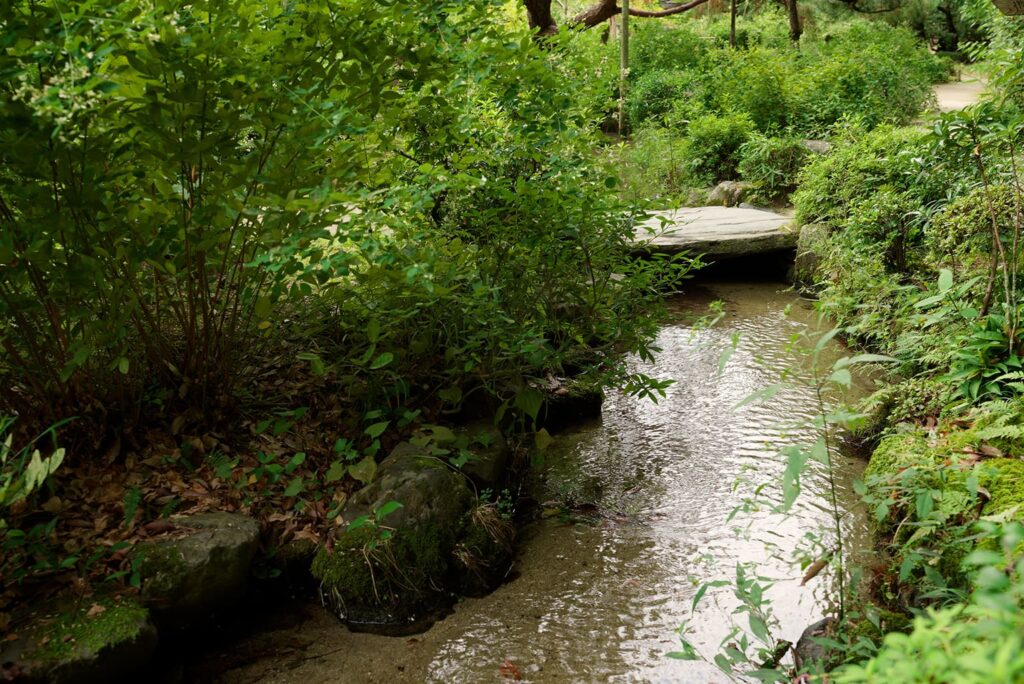
Many of the plants and flowers in this garden have been selected because they feature in famous literary works and classical poetry of the Heian period. There is no set course to follow through the garden, as the paths of stroll gardens are designed for meandering. The plants and trees are planted close together to create enclosed spaces and a small stream flows through its grounds. In the Heian period, members of the nobility would have spent time in such gardens for artistic inspiration, to ponder, relax, or talk intimately with guests.
Heian period
The Heian period lasted for approximately 400 years between the transfer of the capital to Heian-kyo (present day Kyoto) by Emperor Kanmu in 794 and the foundation of the Kamakura Shogunate in 1185. The period is often divided into three sections: the Early, Mid- and Late Heian periods. In other words, the period of reviving the political system based on Ritsuryo codes, the regency period and the Insei period (governed by a retired emperor), respectively. (The end of the Late Heian period was ruled by the Taira clan.) Also referred to as the period of the Heian imperial court.
The Tale of Genji (Genji Monogatari)
This epic tale spans 54 volumes and was penned by Murasaki Shikibu (973?–1014?) in the mid-Heian period (794–1185). The tale depicts the extravagant lifestyle and romantic liaisons of the main character Genji and his descendants. Due to its detailed structure and portrayal of human emotions, the work has been called “the world’s oldest novel” and has had a lasting impact on Japanese culture.
The Pillow Book (Makura no Soshi)
This is a collection of essays penned by Sei Shonagon (966?–1017?) in the mid-Heian period (794–1185). With sharp observations and a witty writing style, she depicts the environment and everyday experiences of life in the imperial court. The Pillow Book embodies the aesthetic sense of okashi, a classical Japanese word with a variety of meanings, including “humorous” and “beautiful.” This work had a huge impact on essay compositions in subsequent generations.
Kokin Wakashu Poetry Anthology
This is the first imperially commissioned poetry anthology in Japan. Poems were selected and compiled by the decree of Emperor Daigo (884–930) in the early Heian period (794–1185). Divided into a total of 20 volumes and comprising 1,111 poems, the Kokin Wakashu established several genres and styles of waka poetry. The anthology had a significant impact on poetry in subsequent generations, as well as on the flourishing of native Japanese culture of the mid-to-late Heian period.
The Tales of Ise
Dating from the early Heian period (794–1185) and written by an unknown author, The Tales of Ise is a collection of narratives and poetry, with a primary focus on waka poems. The protagonist is an unnamed man believed to be based on the poet Ariwara no Narihira (825–880), and the work eloquently depicts themes ranging from love to travel. The Tales of Ise had a large impact on narrative literature in subsequent generations.
The Tale of the Bamboo Cutter
Dating from the early Heian period (794–1185) and written by an unknown author, this is one of Japan’s oldest narrative tales. Another early Japanese tale, The Tale of Genji, even refers to it as “the first tale.” The Tale of the Bamboo Cutter is recognized as one of the first examples of monogatari, or Japanese narrative literature.
yarimizu stream
This was a technique used in Heian-period (794–1185) shinden-zukuri gardens to create a shallow waterway that would feed into and create a pond. The stream meandered through the garden, becoming a scenic element of its own. The meandering stream was often accented by stone bridges.
nosuji garden style
This was an expressive landscape technique employed in Heian-period (794–1185) shinden-zukuri gardens. Gentle belt-shaped undulations were set in the ground, and plants and stones were placed in a way that resembled fields and winding paths.
Emperor Komei
Emperor Komei (1831–1867) was the 121st emperor of Japan. He reigned from 1846 to 1867. During the political chaos at the end of the Edo period (1603–1867), he constantly prayed for the peace and wellbeing of the country and its people. He also helped build the foundation of the Meiji Restoration, which modernized Japan. He was enshrined along with Emperor Kanmu (735–806), who moved the imperial capital to Heian, in Heian Jingu Shrine in 1940.
MOVIE
Experience the video to get one step closer.
This video, accompanied by narration, introduces the charms of South Garden (Minami Shin’en)
. Experience its charms even more deeply through the video.
Duration: (audio included)
Share on Social Media


Please respond to our questionnaire.
Estimated length: 30 seconds