The Gardens of Heian Jingu
This article can be read in about 2 minutes.
Walk the garden
where the Heian Era meets the Meiji Era
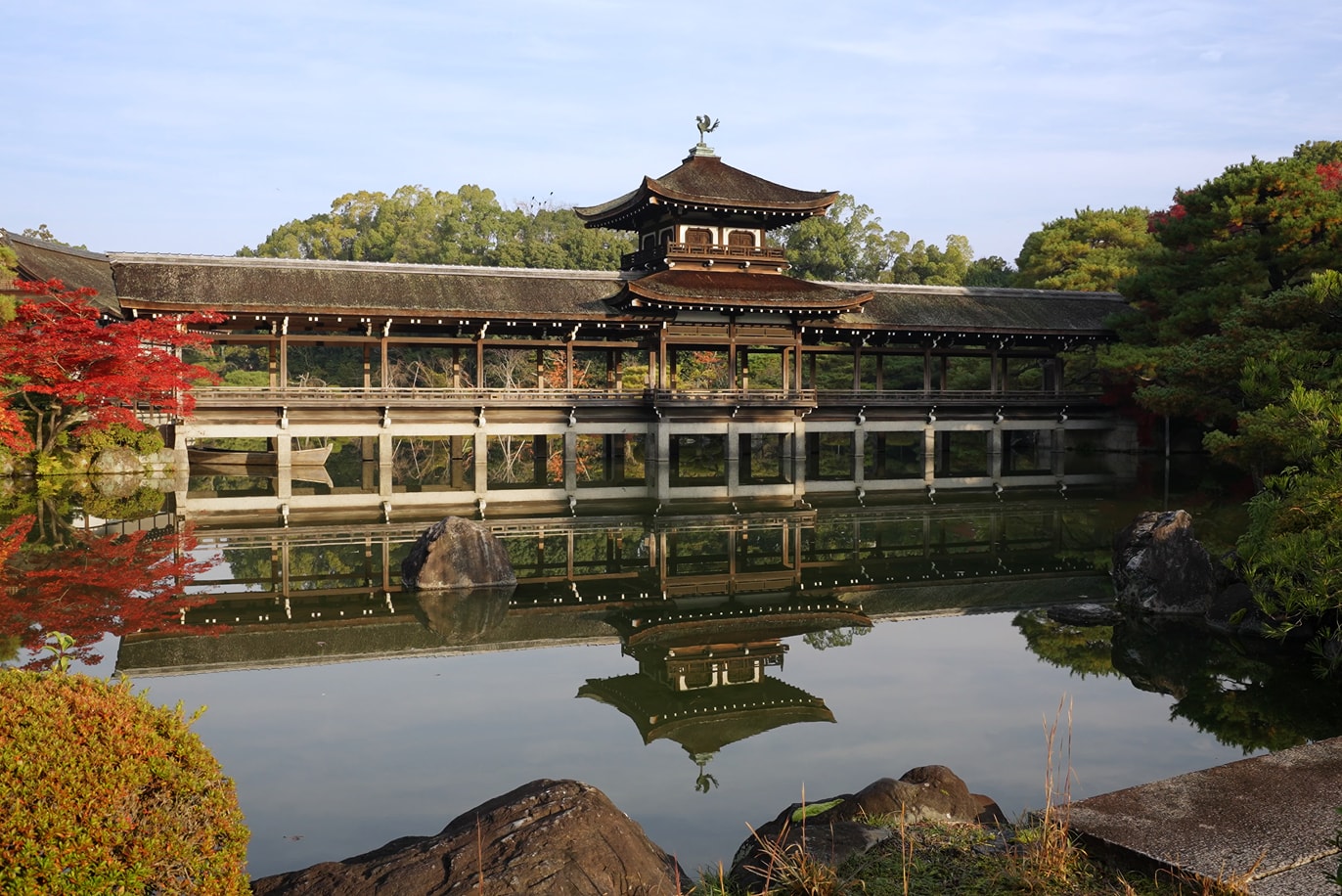
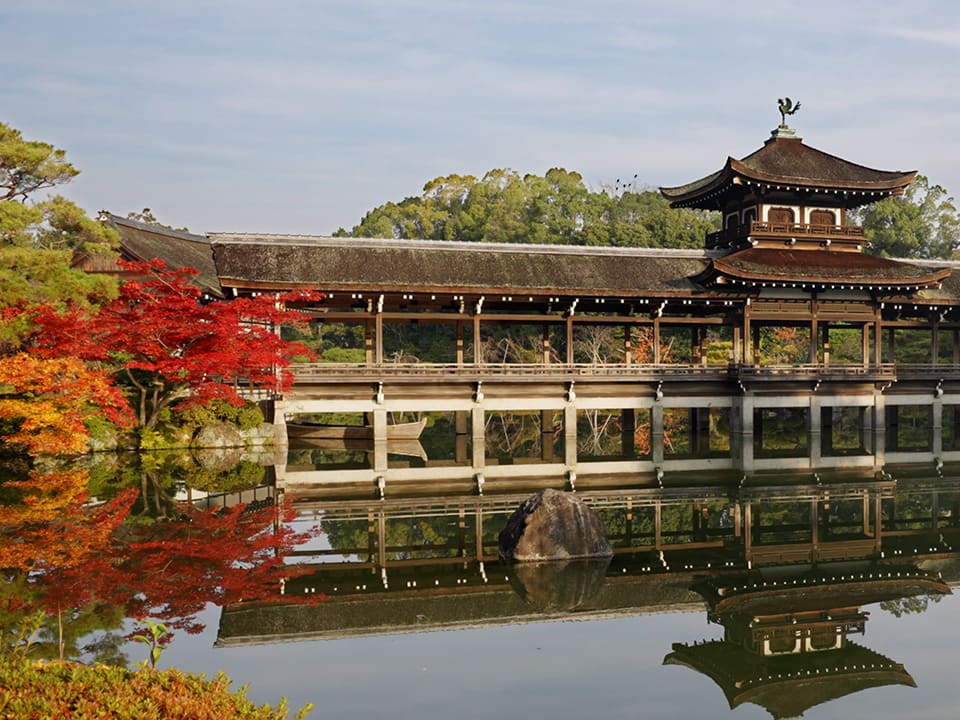
The 30,000 square meters of the Heian Jingu gardens are filled with a great variety of plants and animals. These beautiful landscape gardens feature large ponds, meandering streams, and historic structures. The gardens are open to the public, and if time is limited can be toured in approximately 40 minutes. Access is via the gate beside the Byakkoro Tower.
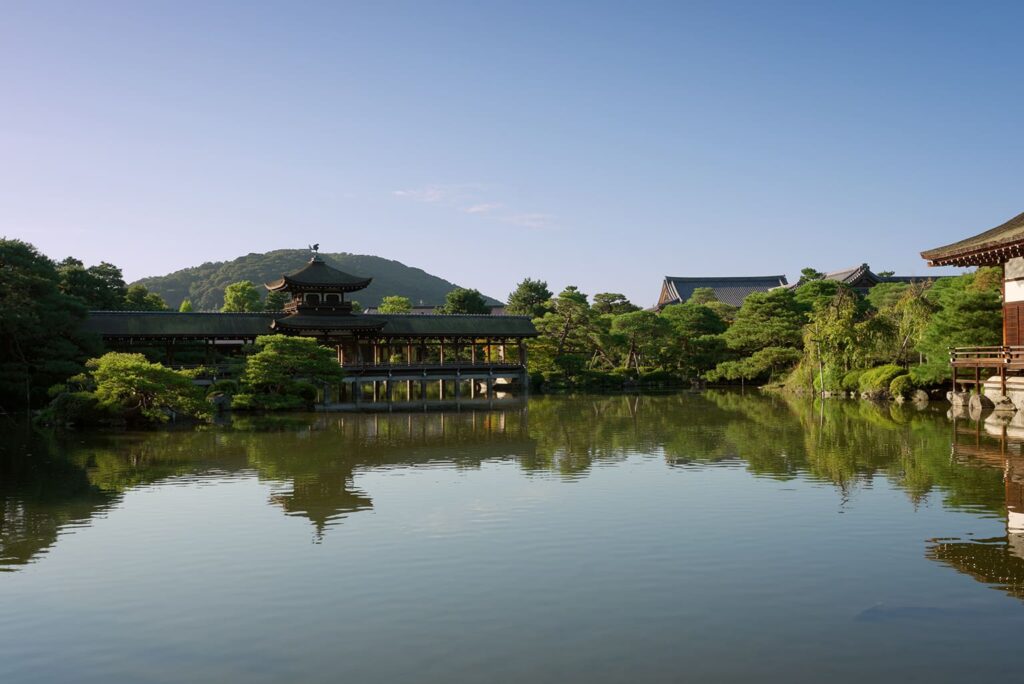
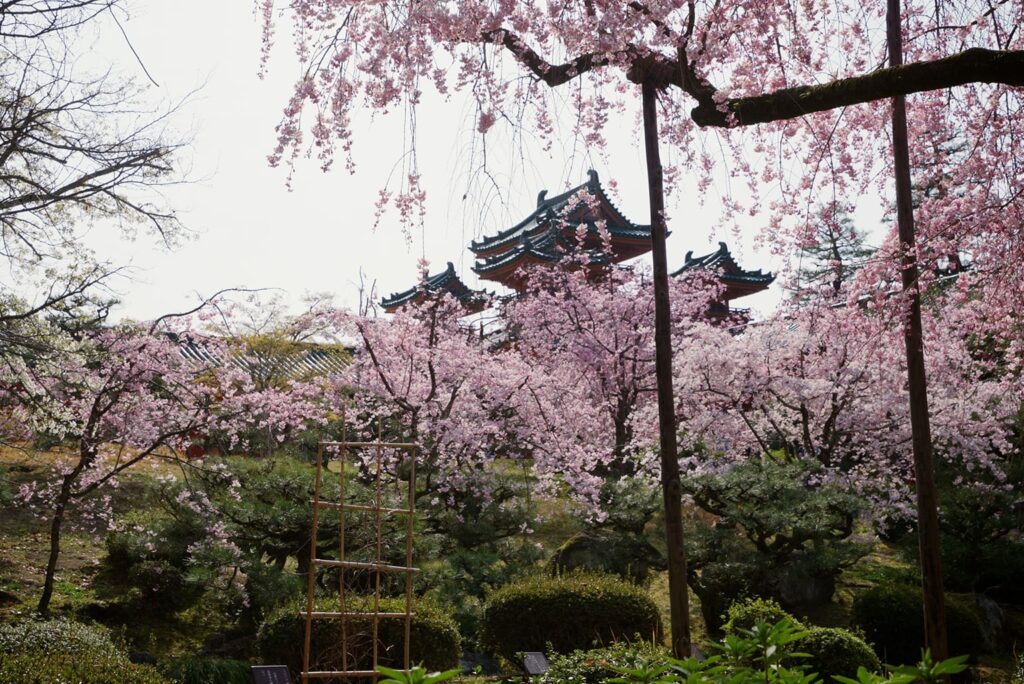
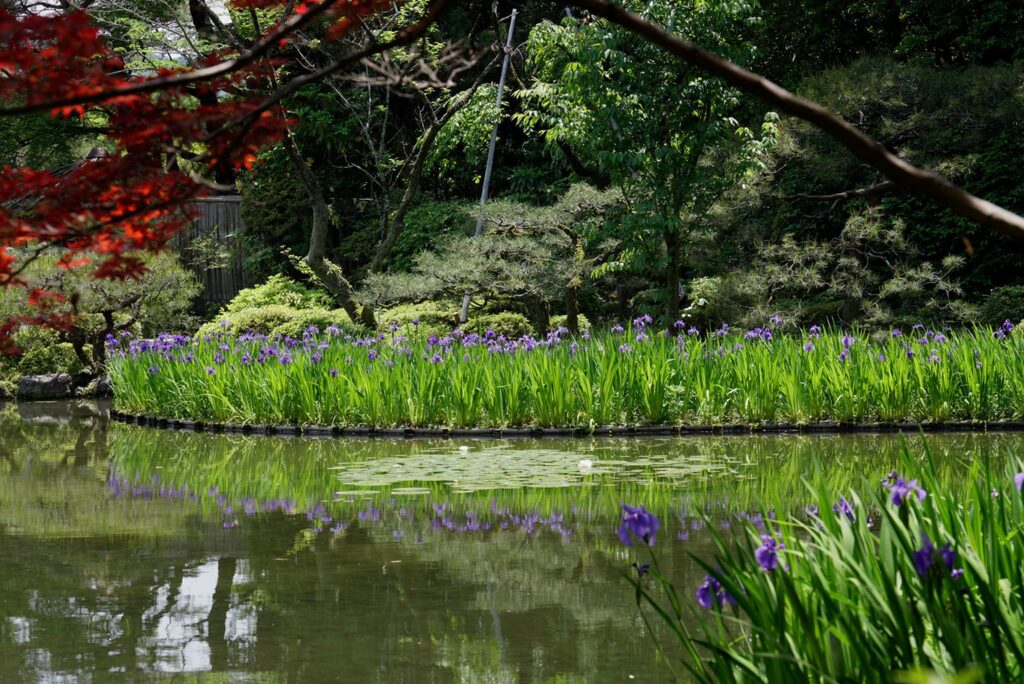
The gardens feature areas inspired by four different periods of history, the Heian period (794–1185), Kamakura period (1185–1333), Momoyama period (1568–1603), and Edo period (1603–1867). Cherry trees, irises, azaleas, water lilies, pines, and maples are among the hundreds of plants chosen to provide color in the garden throughout the year.
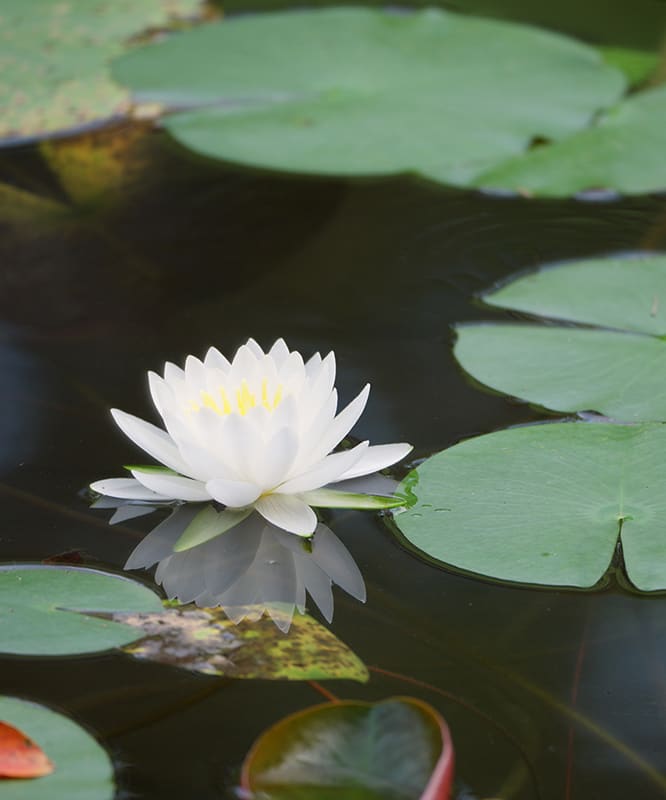
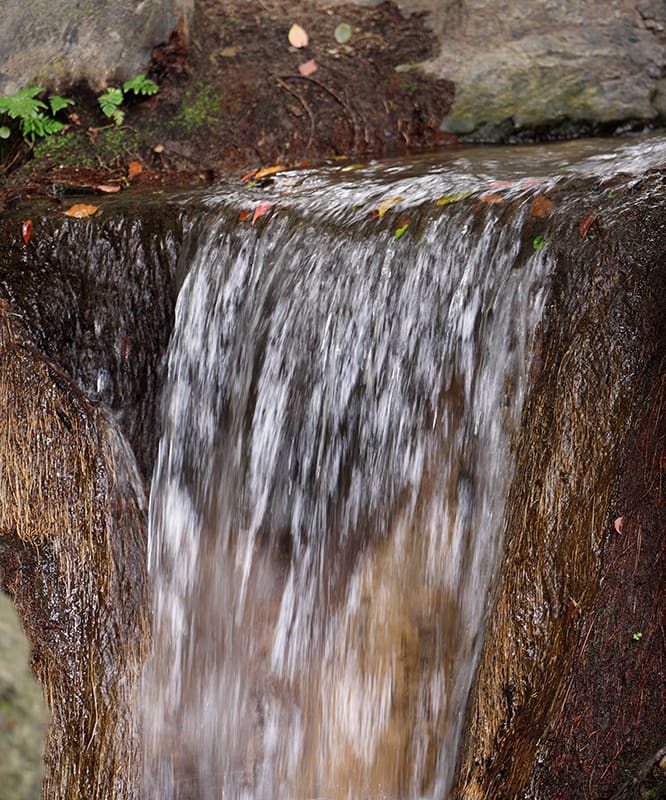
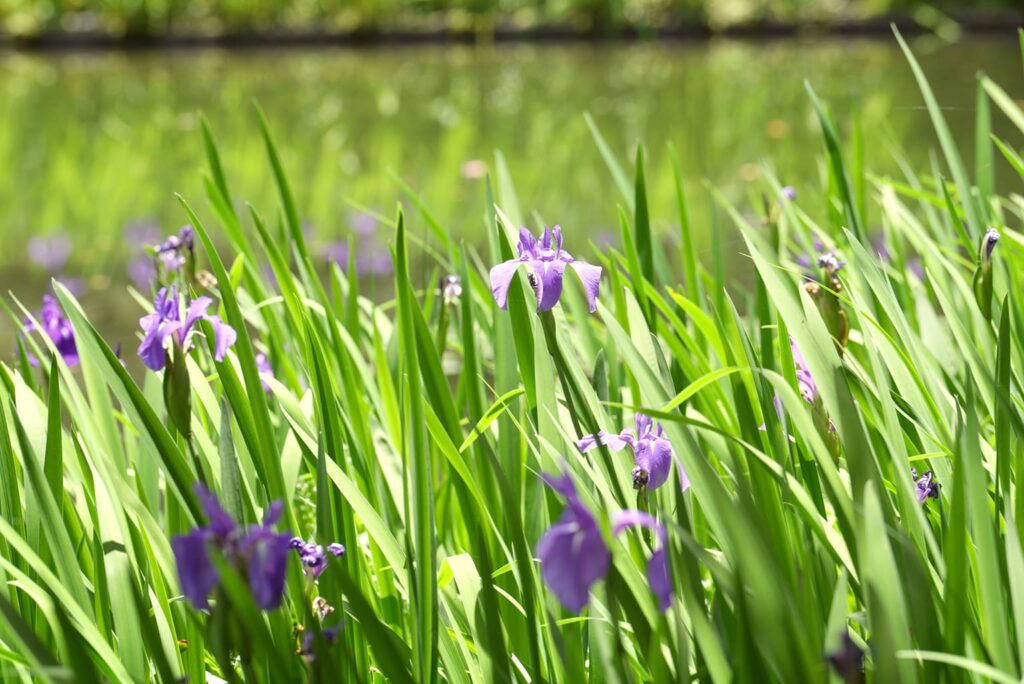
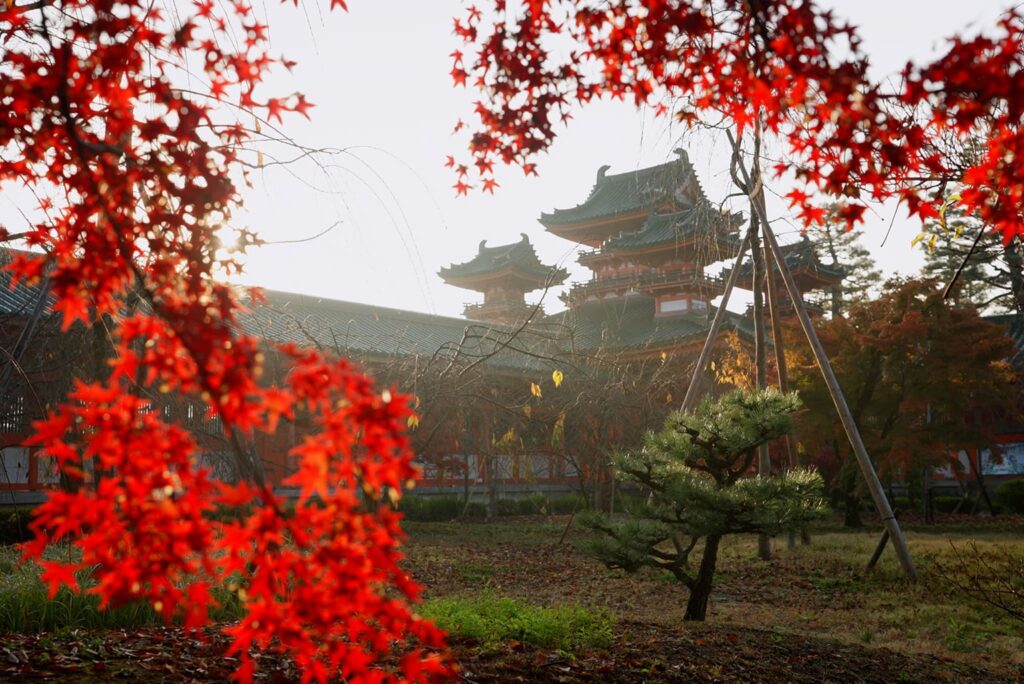
Signs around the grounds provide information in English on the gardens and their features while introducing historical details about Kyoto and Japan.
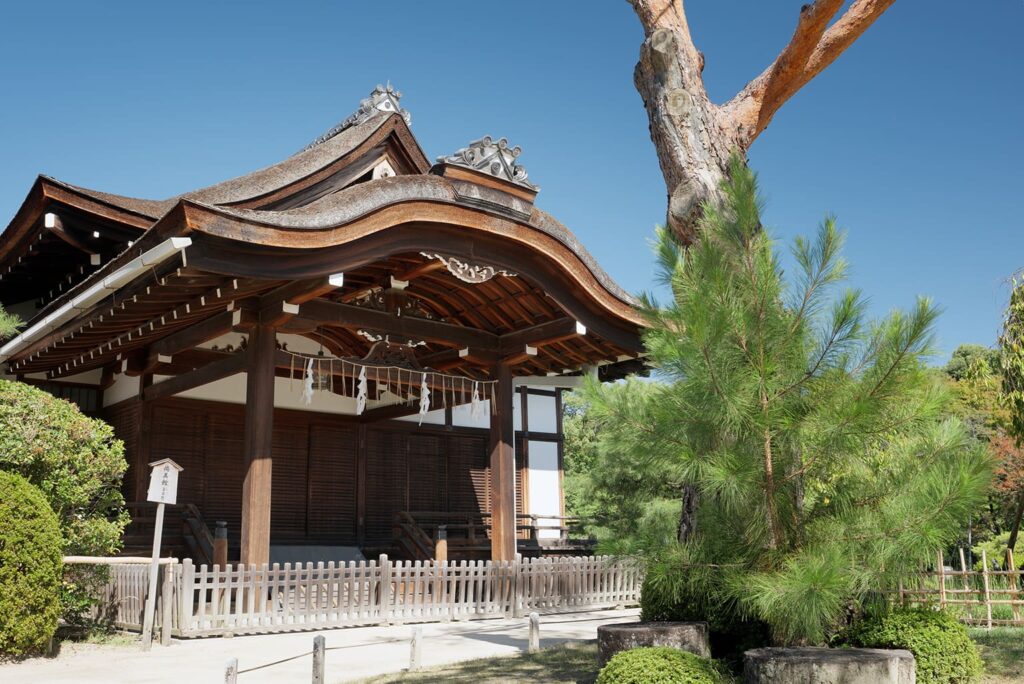
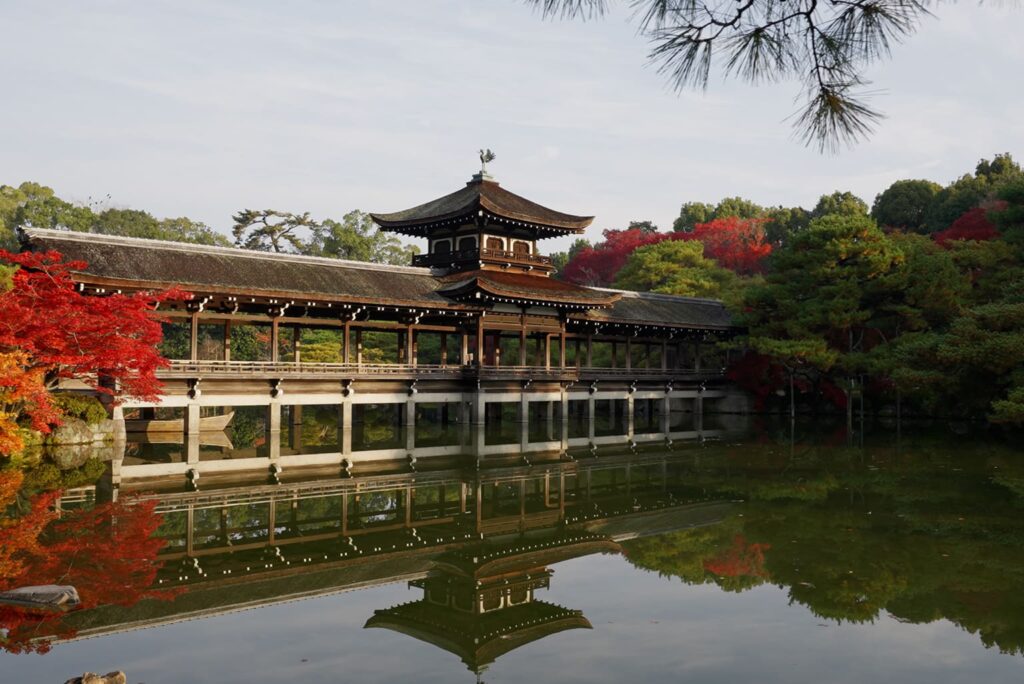
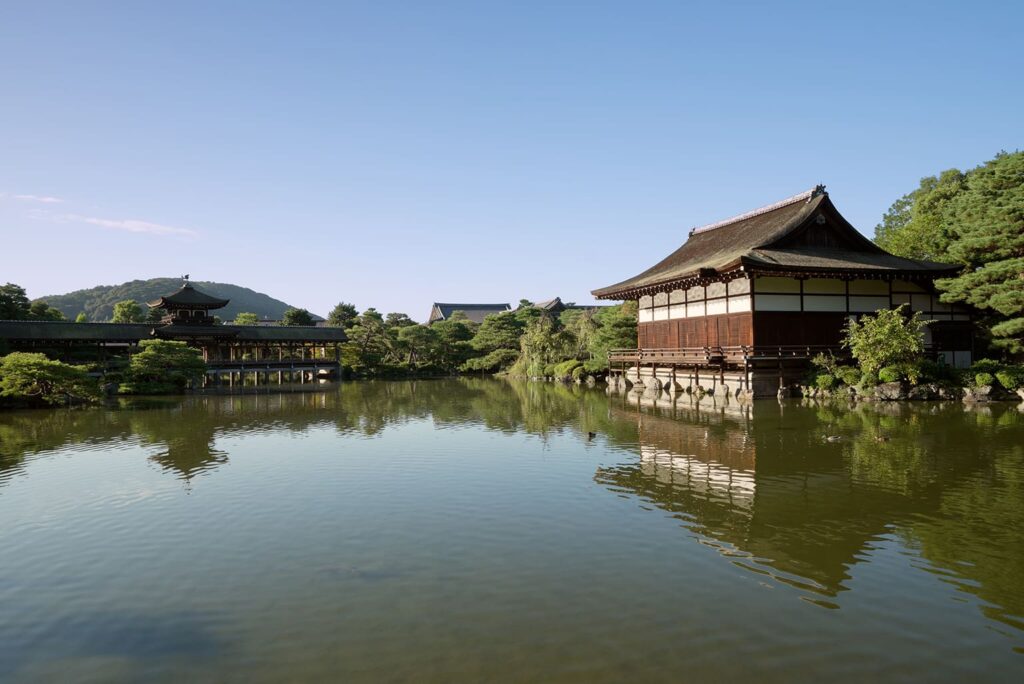
Heian period
The Heian period lasted for approximately 400 years between the transfer of the capital to Heian-kyo (present day Kyoto) by Emperor Kanmu in 794 and the foundation of the Kamakura Shogunate in 1185. The period is often divided into three sections: the Early, Mid- and Late Heian periods. In other words, the period of reviving the political system based on Ritsuryo codes, the regency period and the Insei period (governed by a retired emperor), respectively. (The end of the Late Heian period was ruled by the Taira clan.) Also referred to as the period of the Heian imperial court.
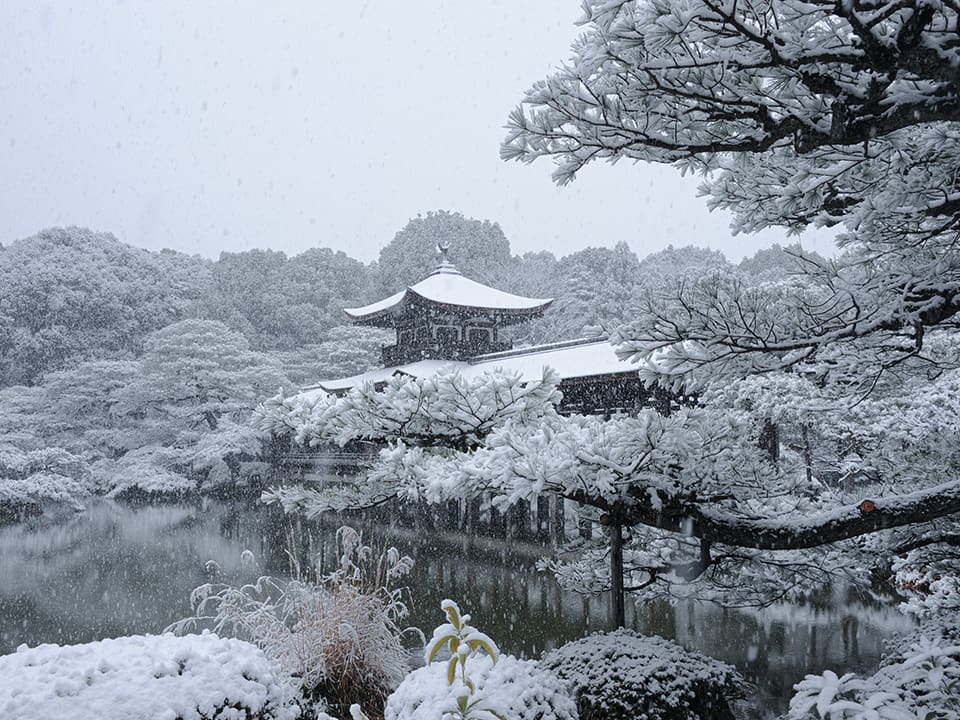
snow-covered landscape
autumn foliage
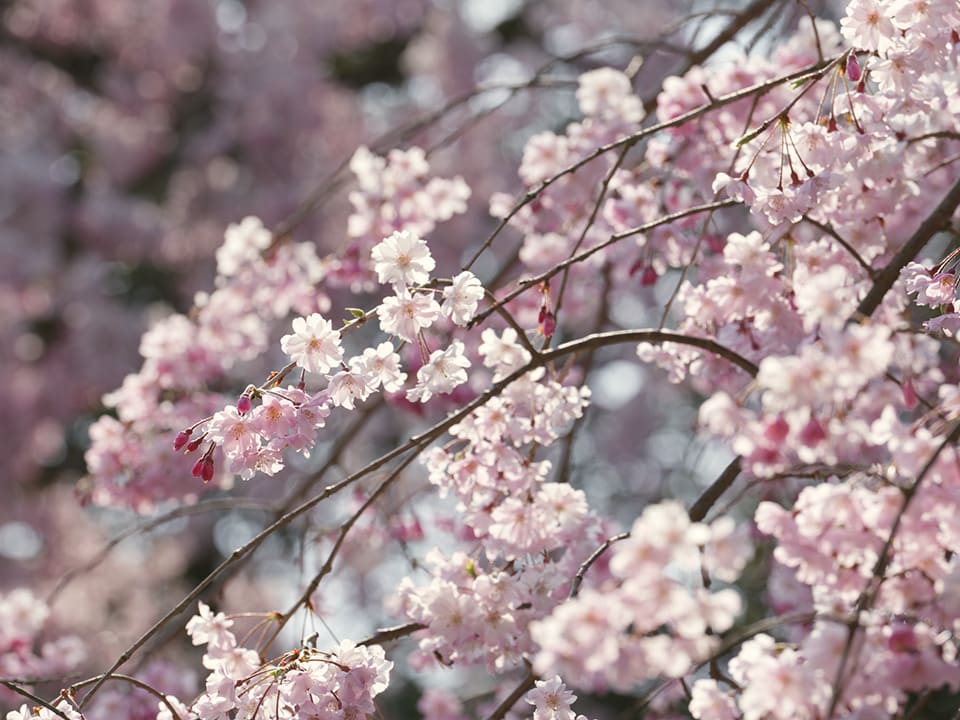
beni-shidare double-petaled weeping cherry blossom trees
strolling garden with pond
A style of Japanese garden that developed during the Edo period that features a path through a landscaped garden with a large central pond.
Edo period
The name of the period that lasted approximately 260 years from when Tokugawa Ieyasu founded the Edo shogunate in 1603 after winning the Battle of Sekigahara in 1600 until the restoration of imperial rule by Tokugawa Yoshinobu in 1867. Also called the Tokugawa period.
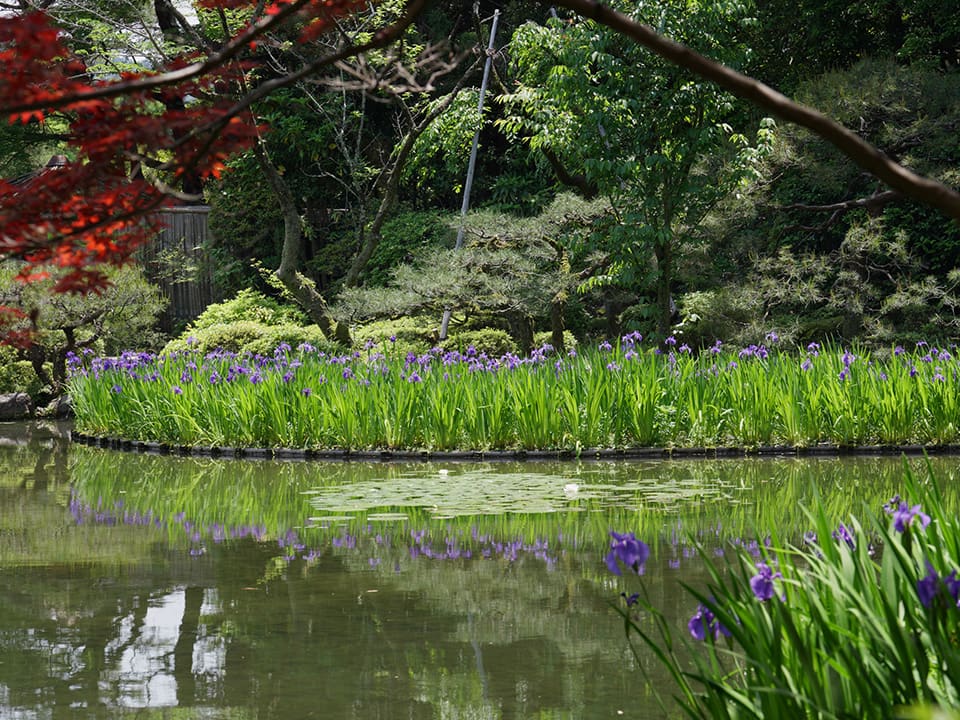
kakitsubata irises
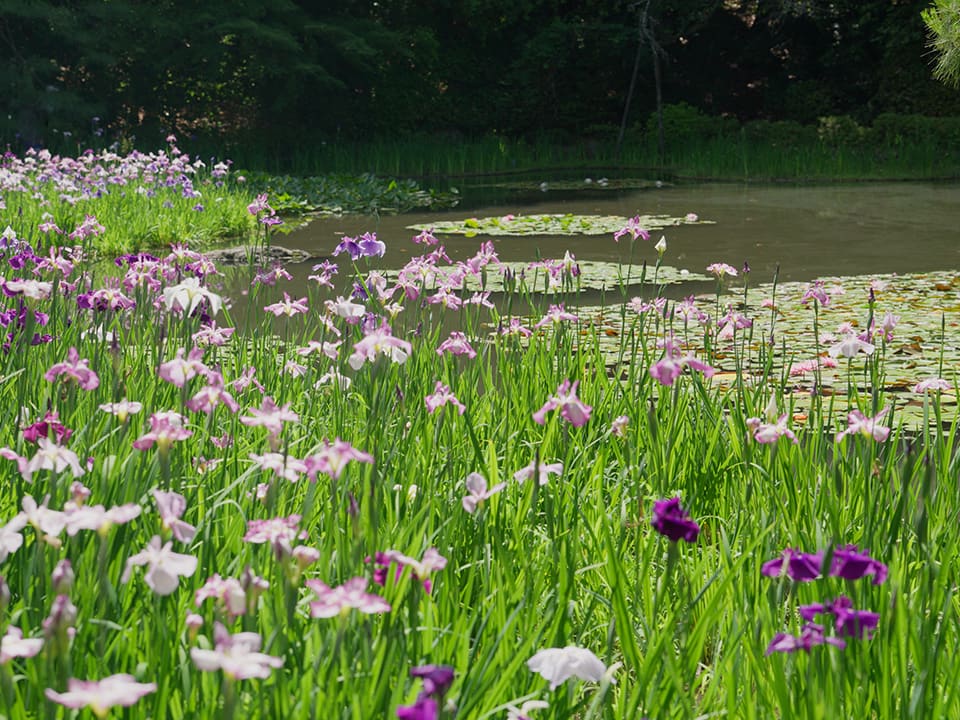
hanashobu irises
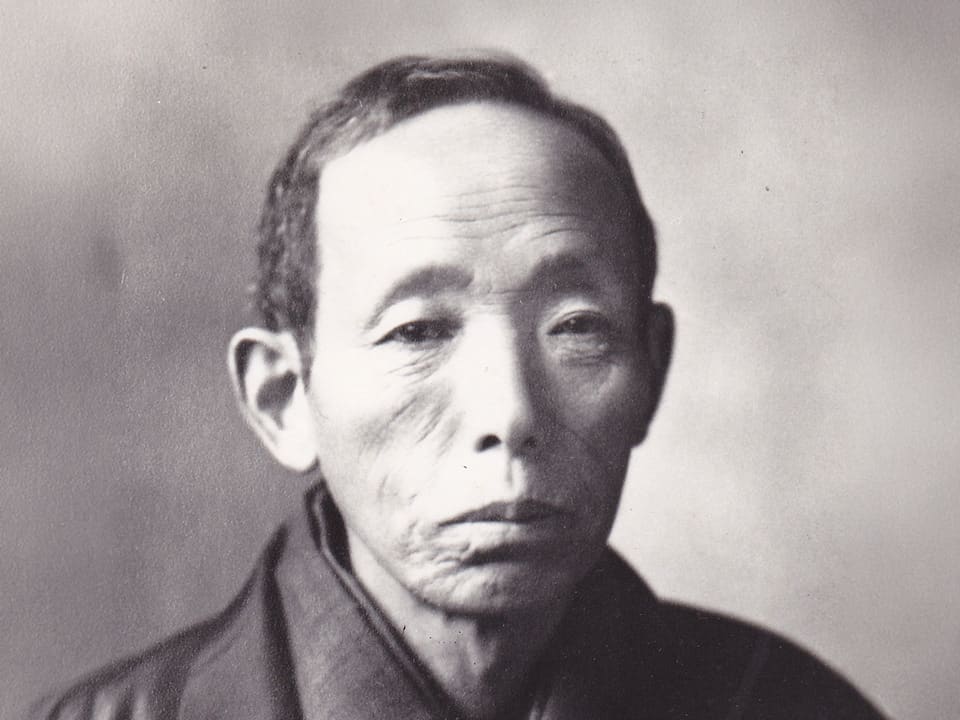
Seventh Ogawa Jihei
Ogawa Jihei VII (1860–1933), also known as Ueji, was a master gardener. Using water from Lake Biwa, he designed several impressive gardens in Kyoto’s Higashiyama area, such as the Murin’an and Heian Jingu Shrine gardens. He established the Ueji school of gardening, which fused traditional gardening techniques with modern sensibilities.
MOVIE
Experience the video to get one step closer.
This video, accompanied by narration, introduces the charms of The Gardens of Heian Jingu
. Experience its charms even more deeply through the video.
Duration: (audio included)
INFOMATION
Heian Jingu Shrine
97 Okazaki Nishitennocho, Sakyo-ku, Kyoto-shi 606-8341