West Garden (Nishi Shin’en)
Meiji period
This article can be read in about 2 minutes.
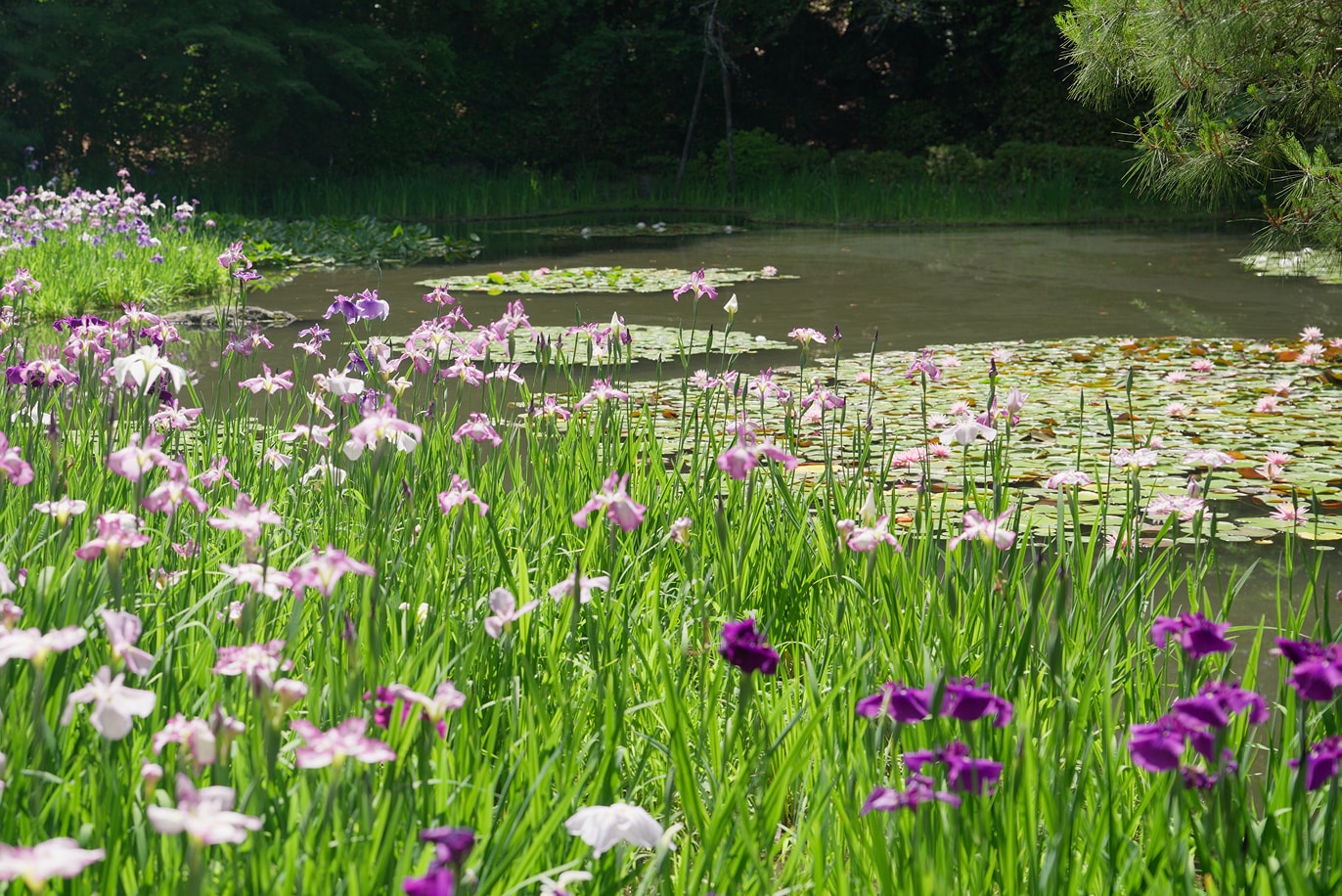
A garden unfolds
in an early-summer palette
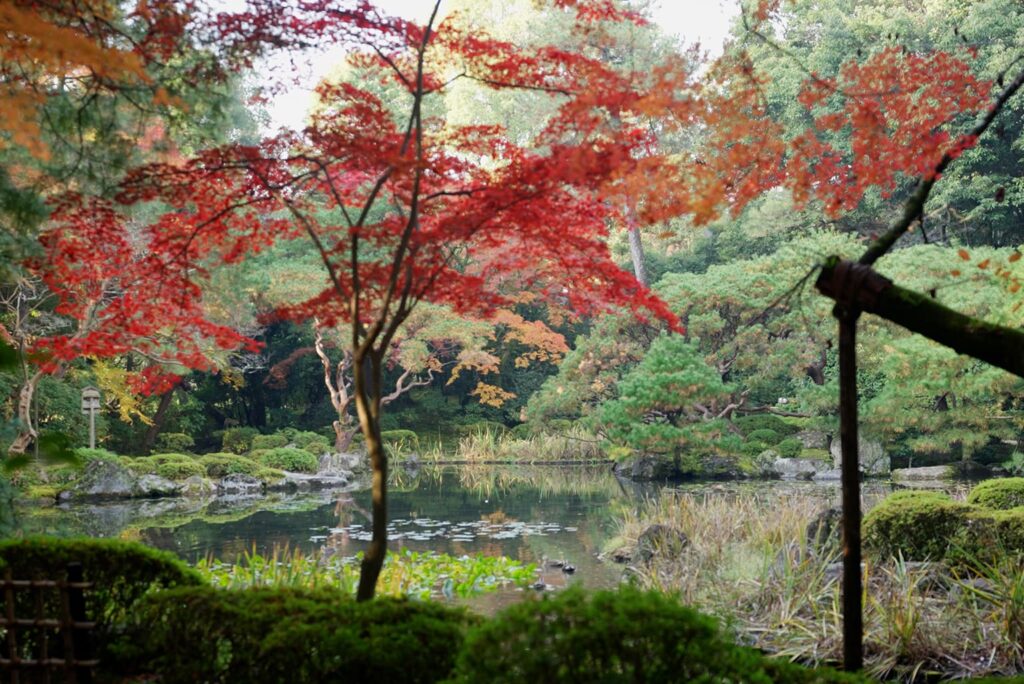
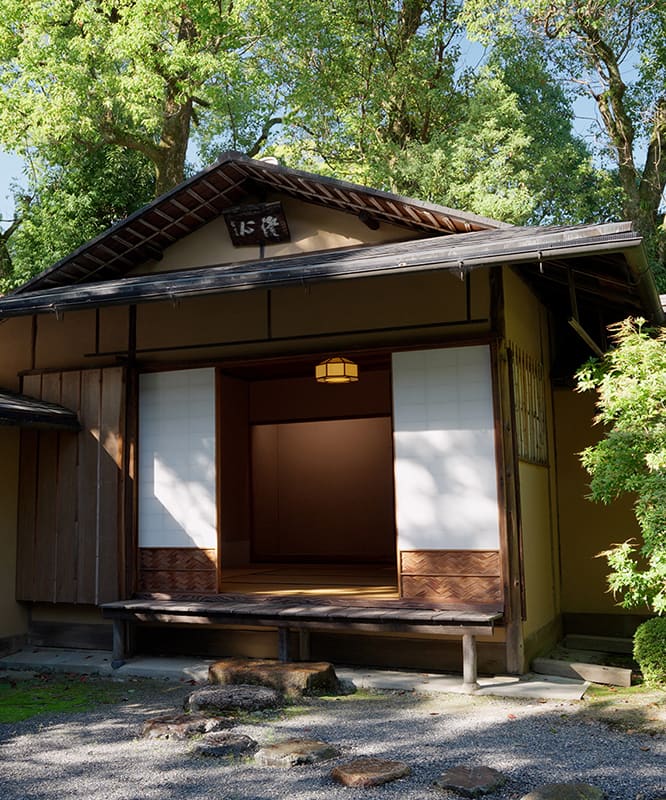
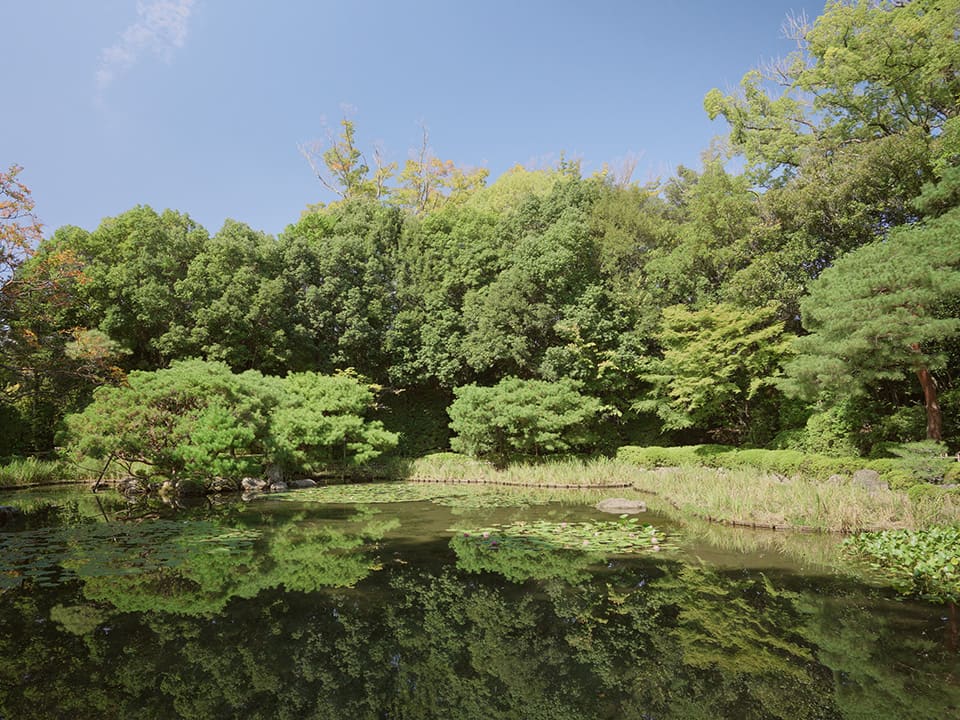
The West Garden is inspired by Zen Buddhism, which flourished in the Kamakura period (1185–1333) and influenced many aspects of Japanese culture, from tea ceremony to landscaping. The centerpiece is its pond, Byakko-ike, the White Tiger Pond, which is ringed by a walking path lined with azalea shrubs. The White Tiger protects the western cardinal direction. This is a quiet garden enclosed by trees, with natural places to pause and reflect, often indicated by the subtle placement of rocks.
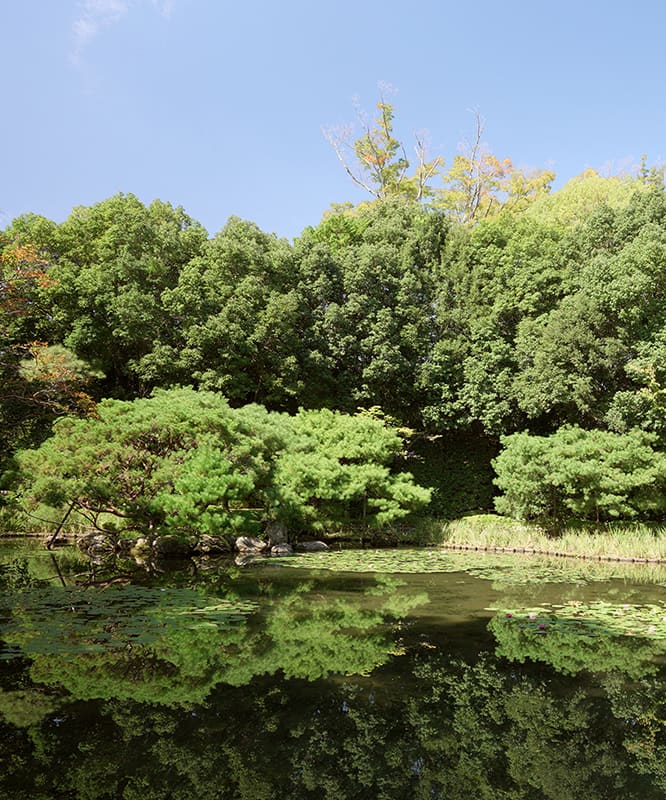
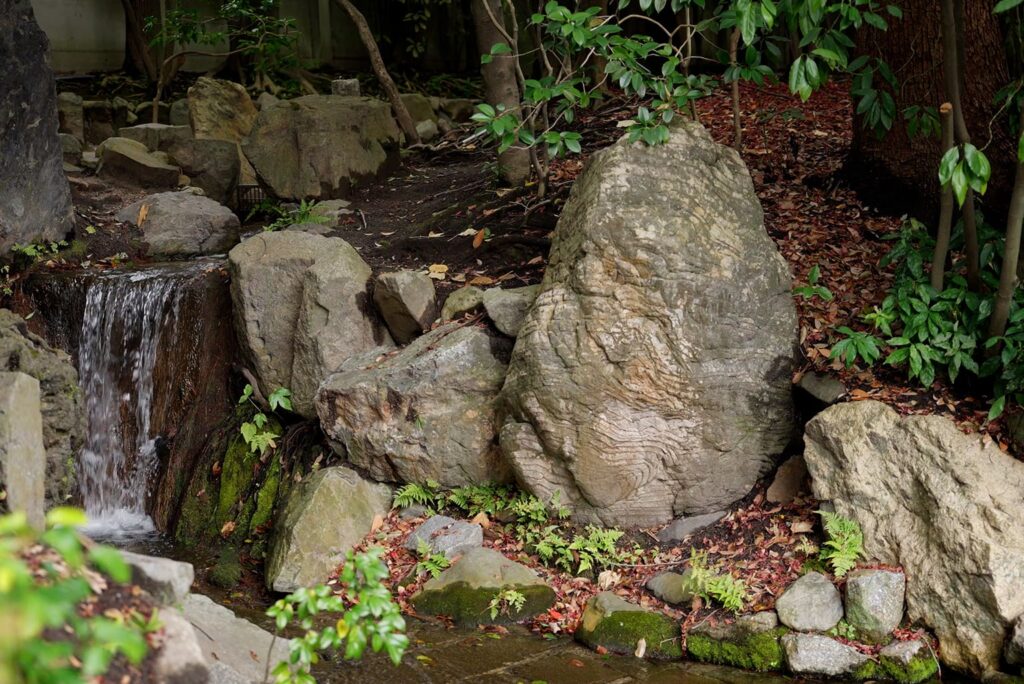
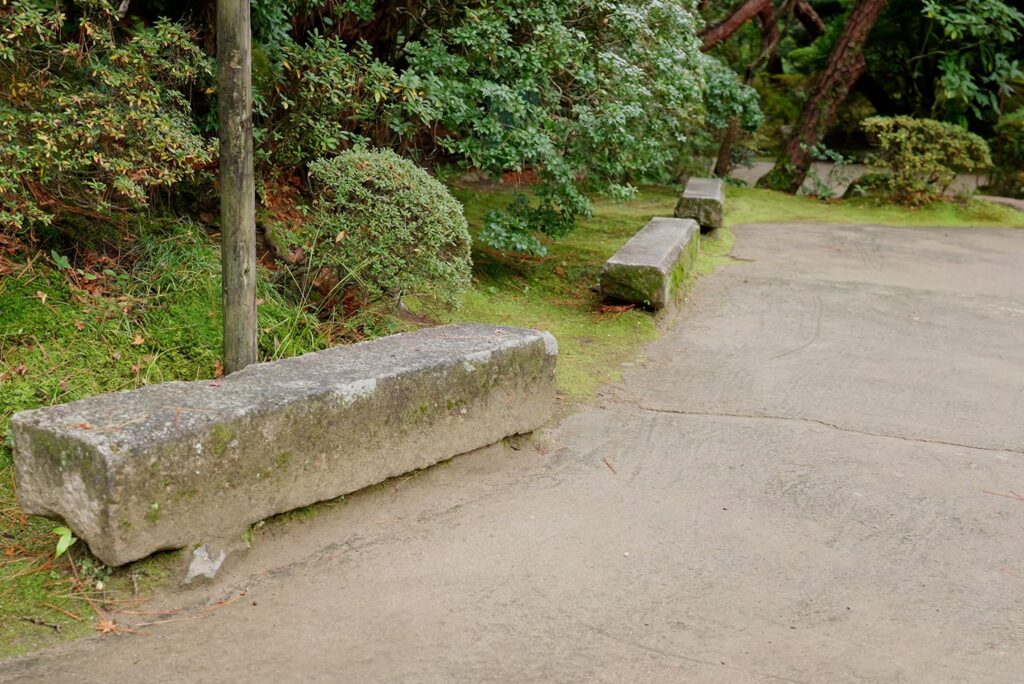
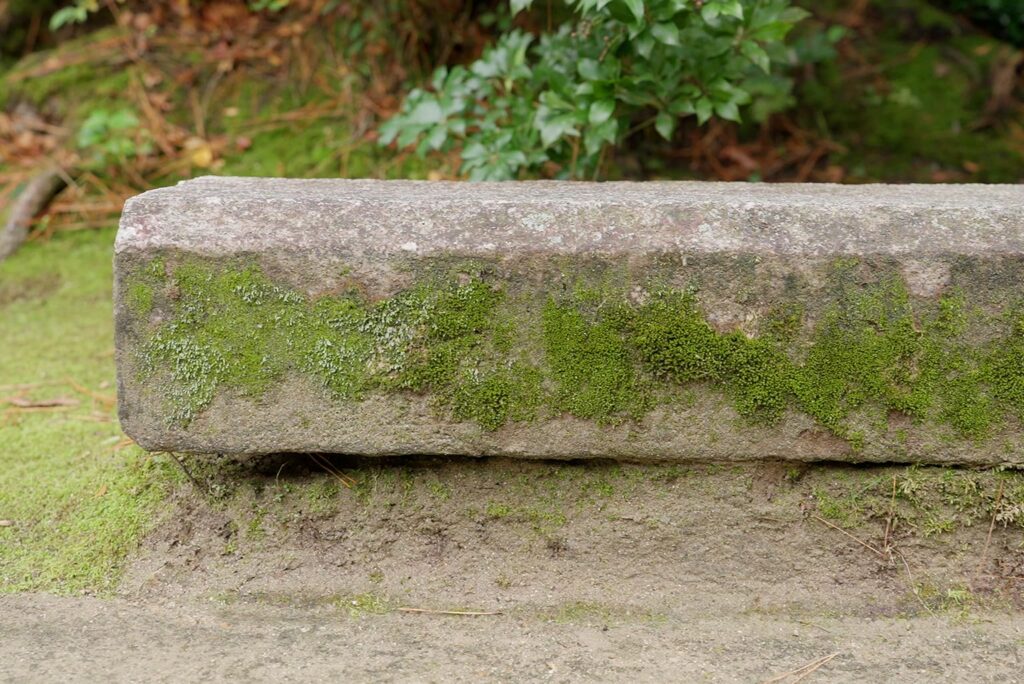
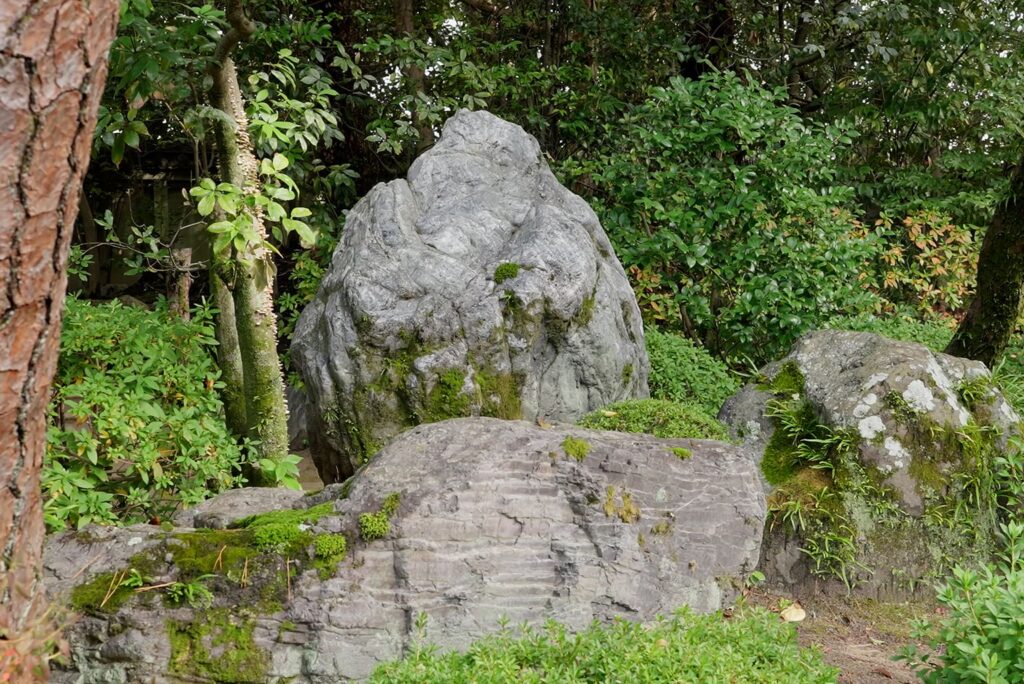
Flat rocks at the side of the path provide inviting places to sit, and clearings with flat stones create an approach to the water’s edge. These rocks and stones have been positioned very precisely to invite you indirectly to enjoy particular aspects or vistas of the garden: the pine tree and the reflection of its branches in the water, or the three upright rocks in the shrubbery on the far side of the pond that represent the Buddha and two bodhisattvas.
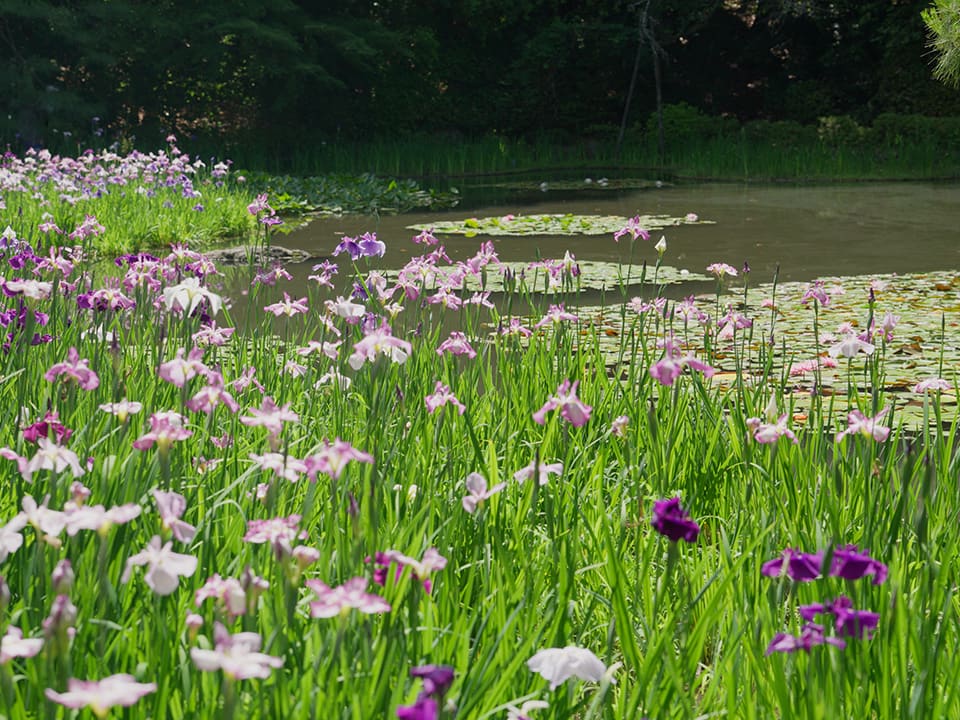
The irises planted around the far edges of the pond and the water lilies in the pond bloom in June. There are around 200 varieties of irises in the garden.
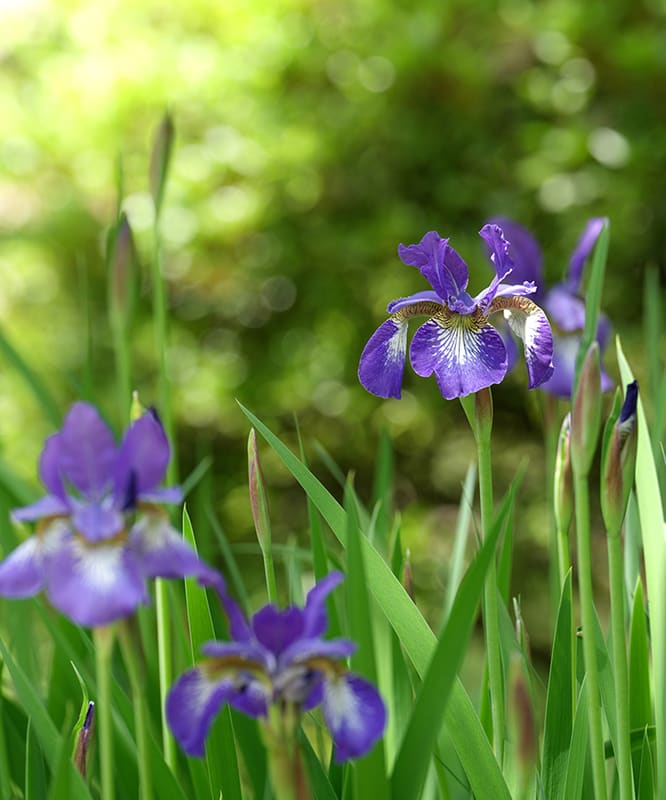
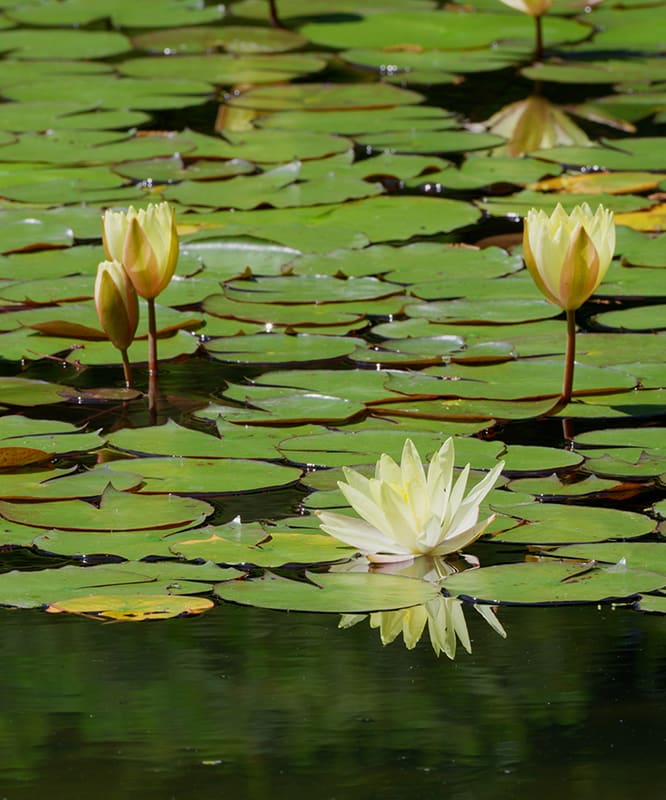
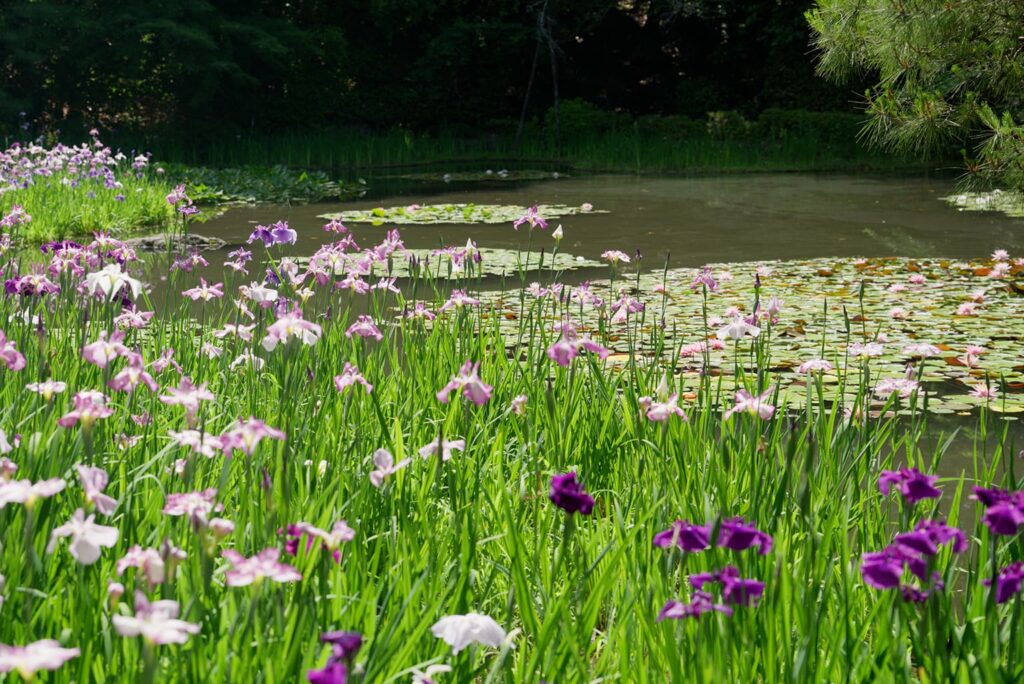
hanashobu irises
artificial hill
An artificial hill that was built in a garden. It is generally a focal component with a combination of a pond.
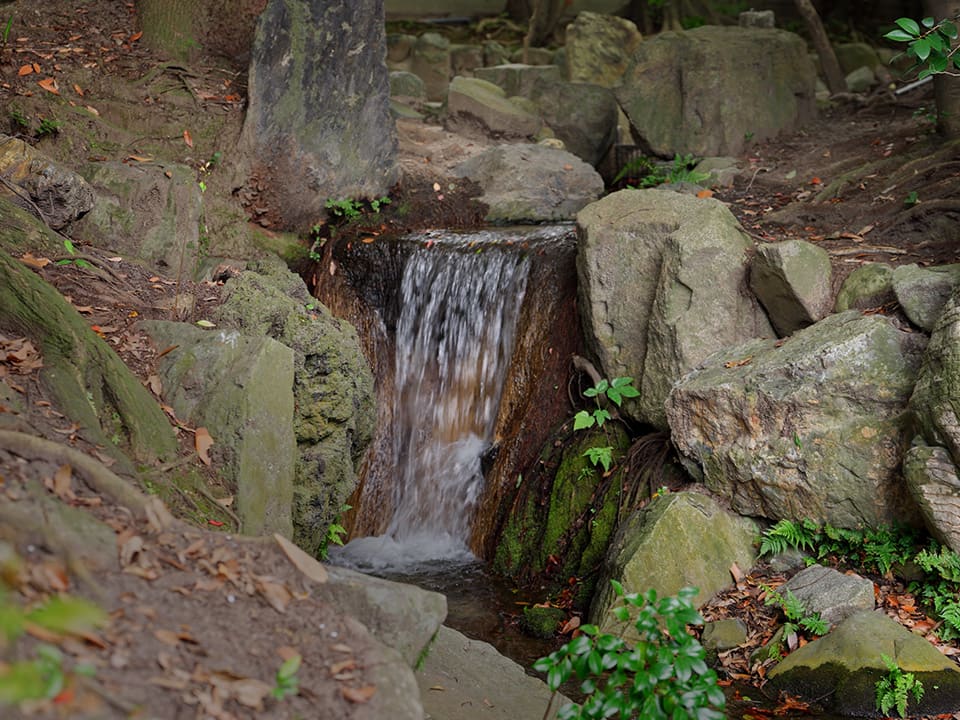
waterfall
Dejima Island
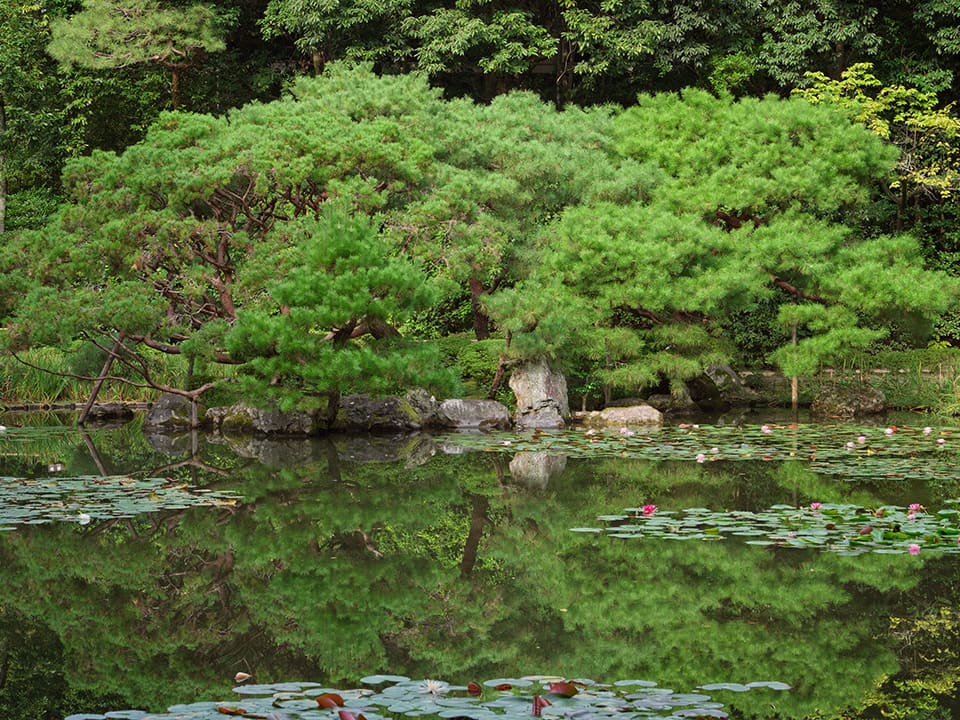
White Tiger Pond
MOVIE
Experience the video to get one step closer.
This video, accompanied by narration, introduces the charms of West Garden (Nishi Shin’en)
. Experience its charms even more deeply through the video.
Duration: (audio included)
Share on Social Media


Please respond to our questionnaire.
Estimated length: 30 seconds